How to Tell if a Used Car Has a Timing Belt or Chain
A practical guide to identifying the timing system of a used vehicle using official documentation, engine codes, and maintenance history verification.
Key points
To determine if a used car has a timing belt or chain, consult the technical sheet, owner's manual, or engine code, as brand and year are insufficient. Verify maintenance history, especially for oil-bathed belts, and request a workshop inspection using the VIN.
The short answer: brand, model, or year are not enough
To know if a car has a timing belt or chain, it is not enough to know the brand, model, or year of manufacture. The same commercial name can correspond to different engines, generations, or variants that use different timing systems. For example, the same model may have a dry belt in one version and a chain in another, or even an oil-bathed belt (wet belt) in specific engine configurations.
The most reliable way to identify the system is to consult the specific technical documentation for the engine installed in the vehicle. This includes the technical sheet, the owner's manual, or the label located in the engine bay. If these documents are not available, the chassis number (VIN) and license plate allow a workshop or dealership to identify the exact engine and confirm the type of timing system.
Section references: Bancu Labs: Correa o cadena en coche usado ↗ · Malaga Car Ocasión: Correa o cadena de distribución ↗
- The brand and year do not determine the timing system.
- The engine code is the key to identifying the exact variant.
- The VIN and license plate allow official verification by a workshop.
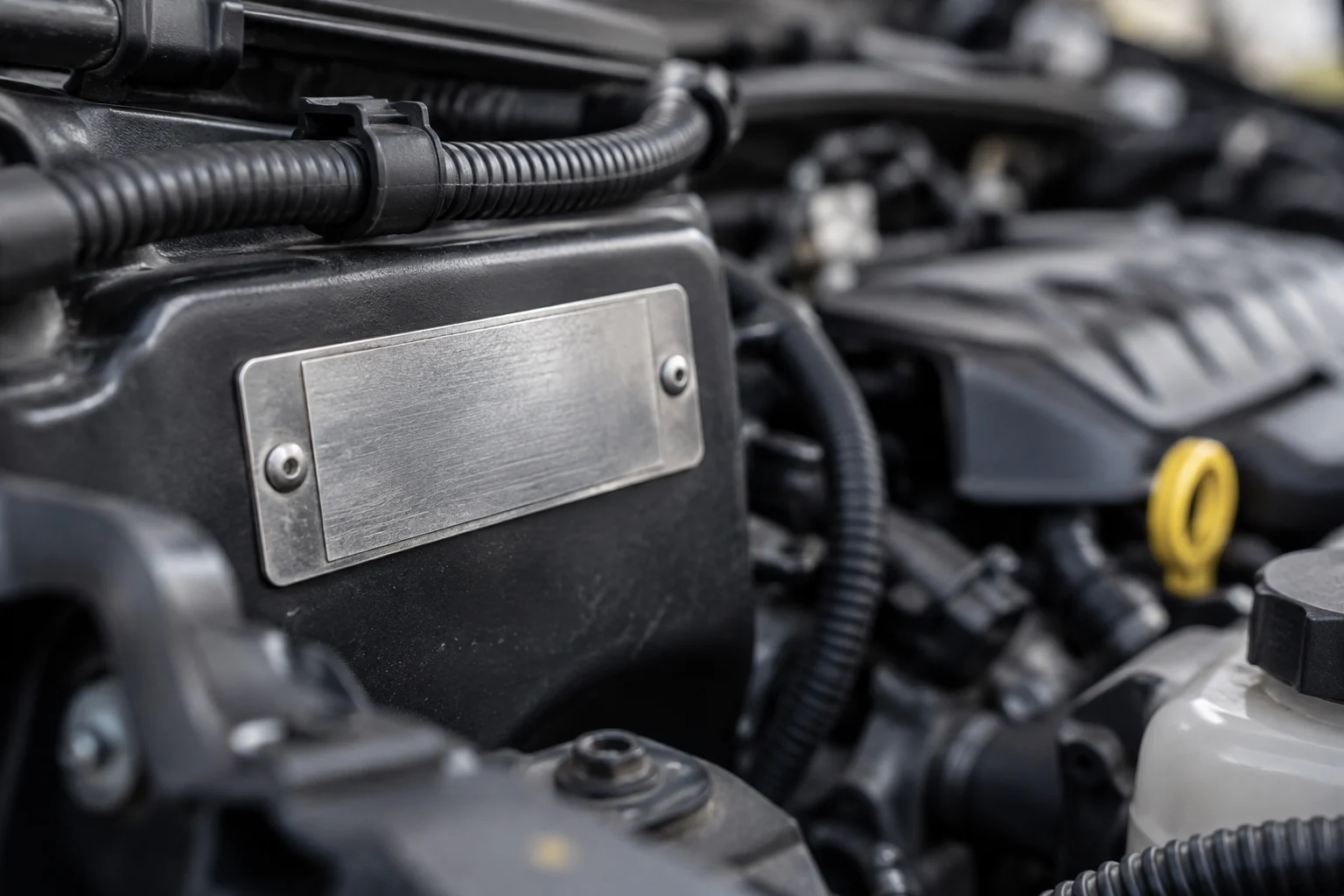
How to identify the exact engine and variant in the documentation
Precise identification begins with locating the engine code. This code usually appears on the engine bay label, the vehicle's technical sheet, or the owner's manual. In some cases, it can be found on the registration certificate or purchase documentation.
If the engine bay label is missing or illegible, the chassis number (VIN) is the primary tool. An authorized workshop or dealership can use this number to access the manufacturer's database and confirm the installed engine, its power, its year of manufacture, and, most importantly, the timing system it is equipped with.
It is fundamental not to rely on assumptions based on the external appearance of the engine. The presence of a plastic timing cover does not guarantee that the engine has a belt, and a metal cover does not guarantee that it has a chain. Modern engines exist that use oil-bathed belts, where the belt is not visible to the naked eye and the cover may be metal to contain the oil.
Section references: Bancu Labs: Correa o cadena en coche usado ↗
- Locate the engine code on the engine bay label or technical sheet.
- Use the VIN for a workshop to confirm the exact engine.
- Do not rely on the material of the timing cover to identify the system.
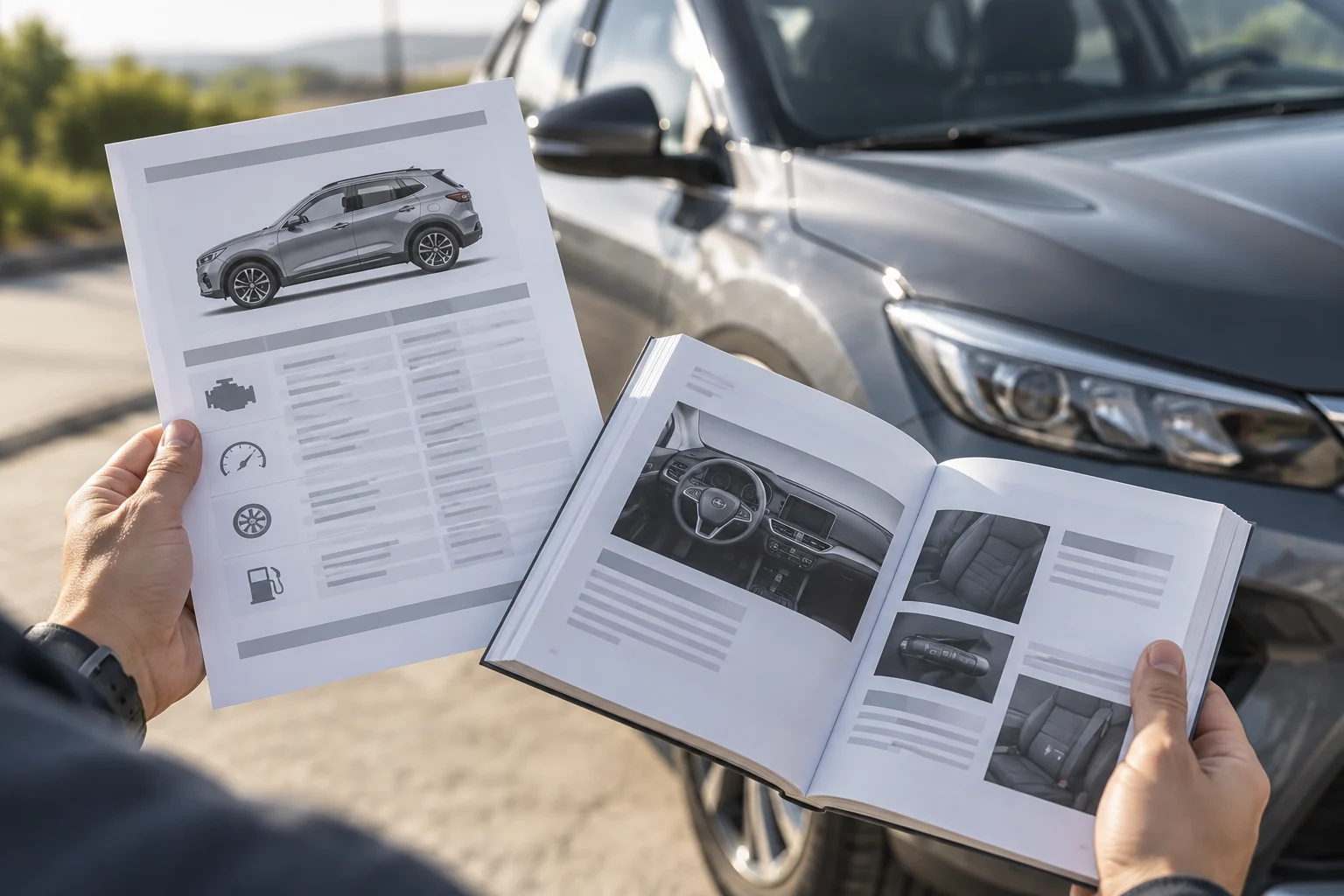
Where to confirm if it has a dry belt, oil-bathed belt, or chain
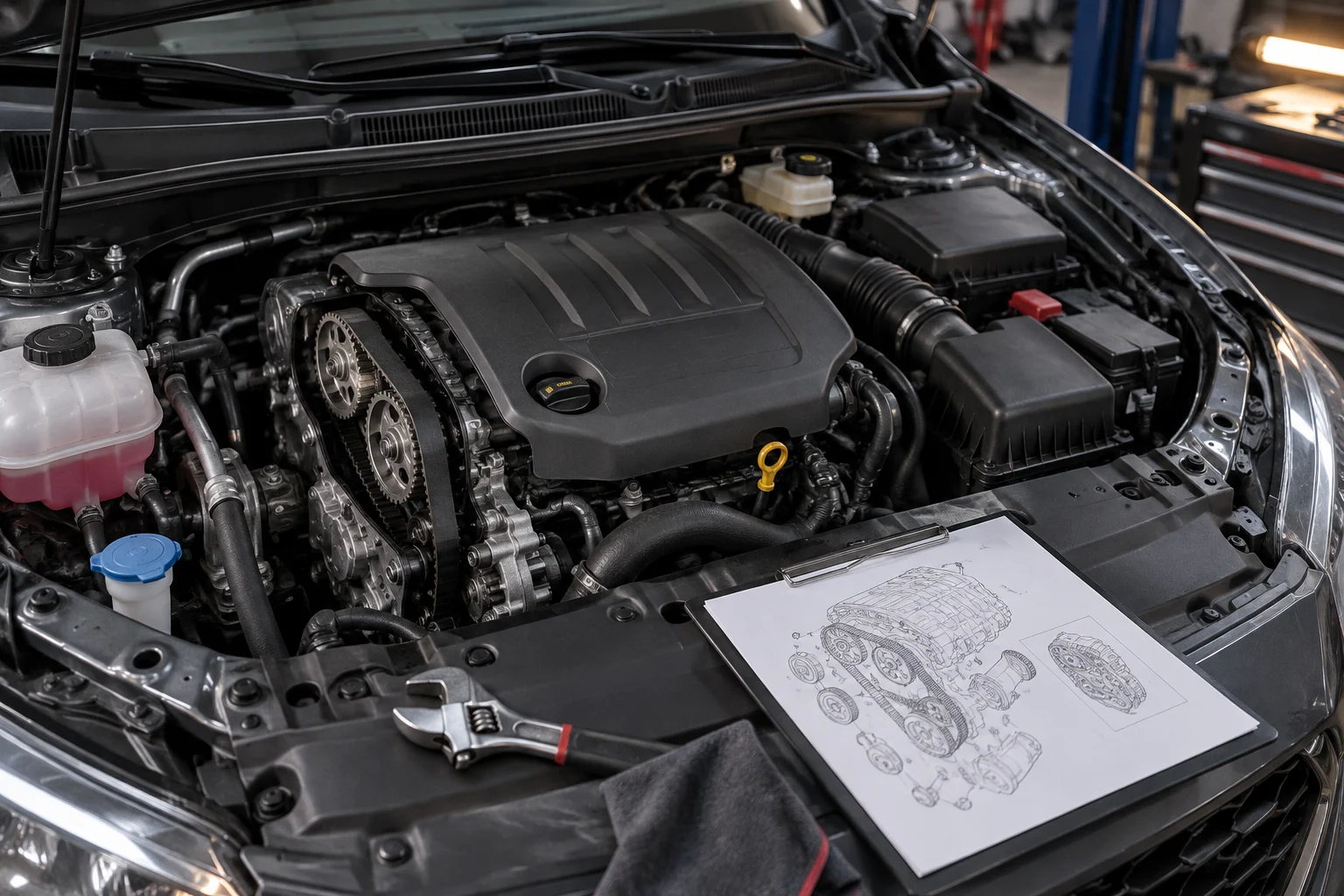
Once the engine is identified, it is necessary to confirm the type of timing system. The three main systems are the dry belt, the chain, and the oil-bathed belt (wet belt). The dry belt is the most common in traditional gasoline and diesel engines. The chain is more durable but more expensive to replace. The oil-bathed belt is a newer technology that combines characteristics of both systems.
Manufacturer documentation is the definitive source. Service manuals and official technical sheets specify the type of timing system for each engine configuration. For example, in the case of Stellantis 1.2 PureTech engines, the use of oil-bathed belts has been documented, which can degrade if the lubricant is not correct, releasing particles that clog the oil pump. For this reason, some manufacturers have replaced this technology with traditional chains in more recent versions.
If you do not have access to the documentation, a workshop can perform a visual inspection or use a scanner to confirm the system. In the case of oil-bathed belts, the inspection may require opening the timing cover to verify the condition of the belt and the oil level.
| System | Main characteristics | Typical maintenance |
|---|---|---|
| Dry belt | Made of rubber, not visible to the naked eye in some engines | Replacement every 150,000 km or 10 years, whichever comes first |
| Chain | Metallic, lubricated by engine oil | No periodic replacement required, but depends on oil condition |
| Oil-bathed belt | Belt submerged in oil, newer technology | Depends on oil type and change frequency |
Section references: RACE: Cadena de distribución del coche ↗ · OcasionPlus: Coches con cadena de distribución ↗
- Manufacturer documentation is the definitive source to confirm the system.
- Stellantis 1.2 PureTech engines have used oil-bathed belts.
- A workshop can perform a visual inspection or use a scanner to confirm the system.
What records to request regarding replacements, inspections, and specifications
When buying a used car, it is essential to request the maintenance history. In the case of engines with a timing belt, the invoice for the last replacement must state the change of the complete kit, which includes the belt and tensioners. In many engines, the water pump and antifreeze are also included, as these components are usually replaced simultaneously.
If the engine has a chain, no periodic replacement is expected, but it is important to verify the oil change history. The chain depends on the oil for its lubrication and for the operation of the hydraulic tensioner. Inadequate oil or changes that are too spaced out can promote wear of the chain and its guides.
Ask the seller for maintenance invoices, the service book, and any documentation that certifies the interventions performed. If there are no records, consider that the condition of the timing system is unknown and evaluate the risk accordingly.
Section references: Bancu Labs: Correa o cadena en coche usado ↗ · Malaga Car Ocasión: Correa o cadena de distribución ↗
- Request invoices for the last timing belt replacement.
- Verify the oil change history in engines with a chain.
- If there are no records, the condition of the system is unknown.
What changes in maintenance and why there is no universal interval
Timing maintenance varies depending on the system. The timing belt is usually changed every 150,000 kilometers or every ten years, whichever comes first, according to manufacturer recommendations. This interval can vary depending on the engine, type of use, and driving conditions.
The timing chain does not have a fixed replacement interval, but its durability depends on the condition of the engine oil. Low-quality oil or changes that are too spaced out can accelerate the wear of the chain and its guides. For this reason, it is crucial to follow the manufacturer's specifications for the type of oil and change frequency.
There is no universal interval for timing maintenance. Each engine has its own specifications, and it is fundamental to consult the owner's manual or technical sheet to know the recommended intervals. Ignoring these recommendations can result in a costly breakdown.
Section references: RACE: Cadena de distribución del coche ↗ · Malaga Car Ocasión: Correa o cadena de distribución ↗
- The timing belt is changed every 150,000 km or 10 years, according to the manufacturer.
- The chain depends on the condition of the engine oil.
- There is no universal interval; consult the owner's manual.
Signs that do not allow identifying the system on their own
Some signs may suggest the type of timing system, but they are not enough to identify it with certainty. For example, a metallic rattling sound when starting cold may indicate looseness in the chain or problems in the guides or tensioner, but it can also be due to other causes. Similarly, the absence of noises does not guarantee that the system is in good condition.
The external appearance of the engine, such as the material of the timing cover, is not a reliable indicator. As mentioned above, a plastic cover does not guarantee a belt, and a metal one does not guarantee a chain. The only way to identify the system with certainty is through technical documentation or a professional inspection.
It is important not to base the purchase decision on assumptions or the absence of symptoms. A timing system in poor condition may not present symptoms until it fails, which can result in a serious and costly breakdown.
Section references: Malaga Car Ocasión: Correa o cadena de distribución ↗
- A rattling sound when starting does not identify the timing system with certainty.
- The external appearance of the engine is not a reliable indicator.
- The absence of symptoms does not guarantee the good condition of the system.
Specific questions for the seller and limits of pre-purchase checks
Before buying a used car, ask specific questions to the seller about the timing system. Ask if the engine has a belt or chain, when it was last changed (if it is a belt), and if there are maintenance records. Request invoices and the service book to verify the information.
If the seller cannot provide this information, consider that the condition of the system is unknown. In this case, it is recommended to perform a professional inspection at a workshop before finalizing the purchase. A workshop can use the chassis number to confirm the engine and timing system, and perform a visual inspection or use a scanner to assess its condition.
Remember that pre-purchase checks have limits. A visual inspection cannot detect all internal problems, and a scanner may not show the real condition of the chain or belt. For this reason, it is important to combine documentation, maintenance history, and a professional inspection to make an informed decision.
Section references: Bancu Labs: Correa o cadena en coche usado ↗ · Malaga Car Ocasión: Correa o cadena de distribución ↗
- Ask the seller about the type of timing system and maintenance history.
- Request invoices and service book to verify the information.
- Perform a professional inspection if no records are available.
How do I know if my car has a timing belt or chain?
Consult the technical sheet, owner's manual, or engine bay label. If you do not have access to these documents, use the chassis number (VIN) for a workshop or dealership to identify the exact engine and confirm the timing system.
How often is the timing belt changed?
According to manufacturers, the timing belt is usually changed every 150,000 kilometers or every ten years, whichever comes first. This interval can vary depending on the engine and usage conditions, so it is important to consult the owner's manual.
Does the timing chain not need maintenance?
The timing chain does not have a fixed replacement interval, but it depends on the condition of the engine oil. Inadequate oil or changes that are too spaced out can promote wear of the chain and its guides. For this reason, it is crucial to follow the manufacturer's specifications for the type of oil and change frequency.
What is an oil-bathed belt?
An oil-bathed belt (wet belt) is a newer technology that combines characteristics of the dry belt and the chain. The belt is submerged in oil, which requires a specific lubricant. Some engines, such as the Stellantis 1.2 PureTech, have used this technology, but some manufacturers have returned to the traditional chain due to degradation issues.
What documents should I ask the seller of a used car for?
Request the service book, maintenance invoices, and any documentation that certifies the interventions performed. In the case of engines with a timing belt, verify that the invoice for the last replacement includes the complete kit (belt, tensioners) and, in many cases, the water pump and antifreeze.