Car for Daily City Commutes: What to Consider Based on Your Routes
Practical guide to choosing a car for regular urban use. Evaluate dimensions, maneuverability, real costs and local access restrictions to match your daily routine.
Key points
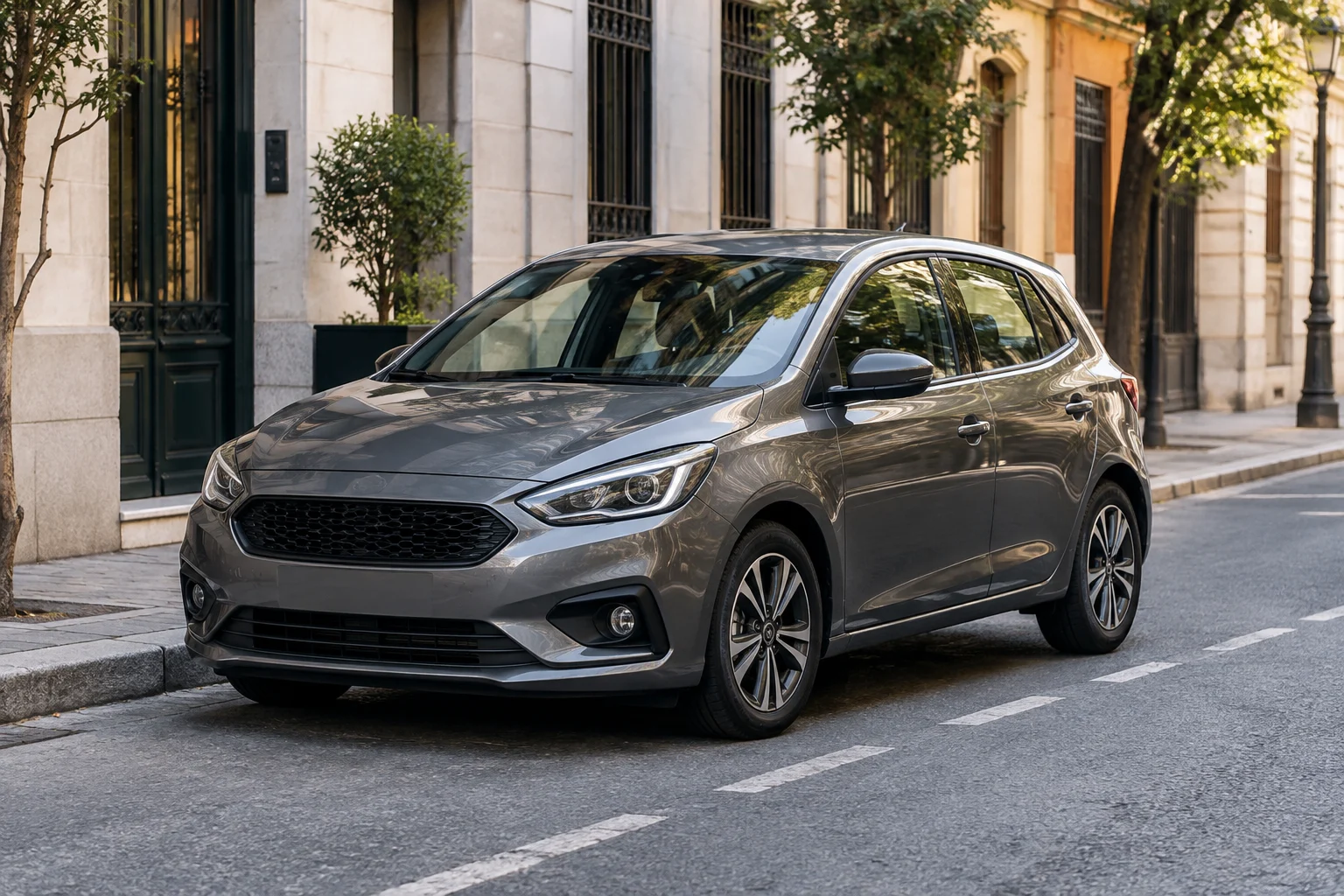
For daily city driving, prioritize a compact or urban-sized car with a tight turning radius and good visibility. Choose the powertrain that saves fuel during frequent stops and meets local low‑emission zone requirements.
What It Really Means to Use a Car Daily in the City
Choosing a car for regular urban use isn’t just about finding the smallest vehicle available. The key is aligning the car’s characteristics with your actual travel patterns: trip length, stop frequency, available parking and local traffic restrictions.
Intensive city use involves many stops and starts, maneuvers in tight spaces and driving on narrow streets. In this context, agility and parking ease often outweigh maximum power or trunk size, though the latter remain relevant depending on your load.
Section references: ¿Qué coche elegir según el uso? ↗
- Identify whether your trips are purely urban or include peri‑urban and highway routes.
- Assess stop frequency: in the city, hybrids’ regenerative braking captures more energy.
- Check current local access restrictions, especially Low‑Emission Zones (LEZ).

Dimensions, Turning Radius and Parking: Key Data to Verify
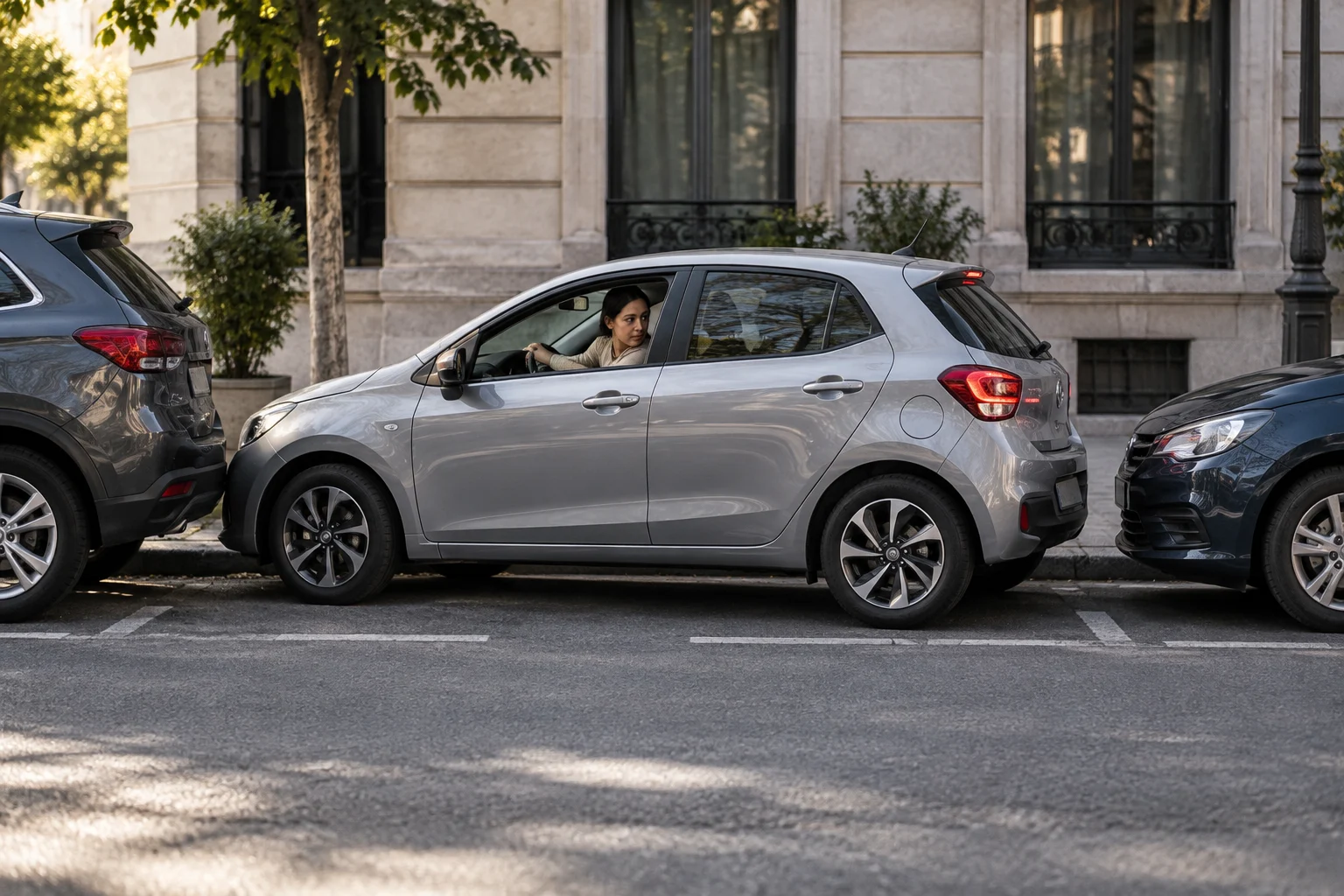
For primarily urban use, a compact or city-sized vehicle is recommended. These cars ease movement on narrow streets and make parking easier. However, exterior size isn’t the only factor: turning radius and visibility are decisive for real maneuverability.
Before deciding, compare the car’s dimensions with the parking spaces you normally use. A small turning radius and good visibility in mirrors and blind spots reduce fatigue and risk during parking maneuvers. If you park in garages with narrow bays or streets with high curbs, check the free height and ease of cabin access.
Section references: ¿Qué coche elegir según el uso? ↗ · Cómo elegir un coche según tus necesidades ↗
- Check the turning radius: a lower value facilitates maneuvers in tight spaces.
- Evaluate visibility: mirrors and blind spots affect parking safety.
- Measure free height if you park in garages with ramps or streets with obstacles.
Cabin Access, Seats and Trunk According to Your Routine
Cabin ergonomics are crucial for daily use. Access to the driver’s seat and rear seats must be comfortable, especially if you transport children or elderly passengers. In low‑height cars, entry and exit can be uncomfortable; in taller models it may be easier but with a higher centre of gravity.
The trunk should suit your usual load. If you carry groceries, luggage or work material, check volume and loading ease. A low threshold and wide opening facilitate handling heavy items. If you need to transport long objects, check rear seat folding capability.
Section references: Cómo elegir un coche según tus necesidades ↗
- Test cabin access: door height and seat design affect daily comfort.
- Verify trunk volume and loading ease for your typical luggage.
- If you transport child seats, check real compatibility of anchors and available space.
Short Trips, Peri‑Urban Routes and Powertrain Choice
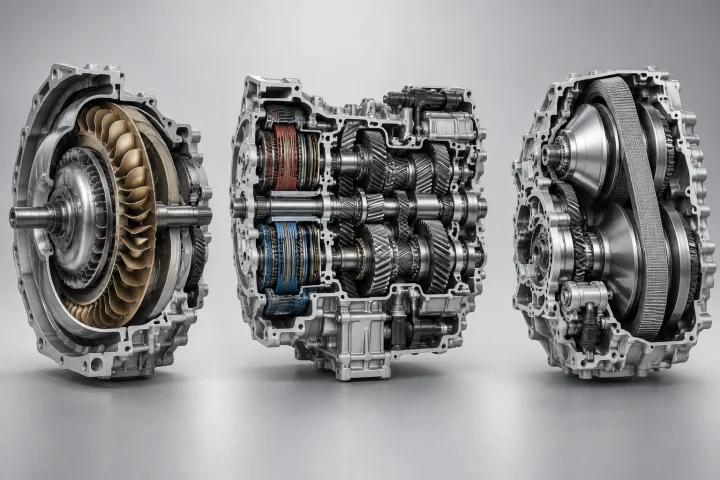
The powertrain should match your trip profile. In urban commutes, hybrid or electric engines are preferable because fuel savings are higher during frequent stops. These systems are more efficient in stop‑and‑go cycles.
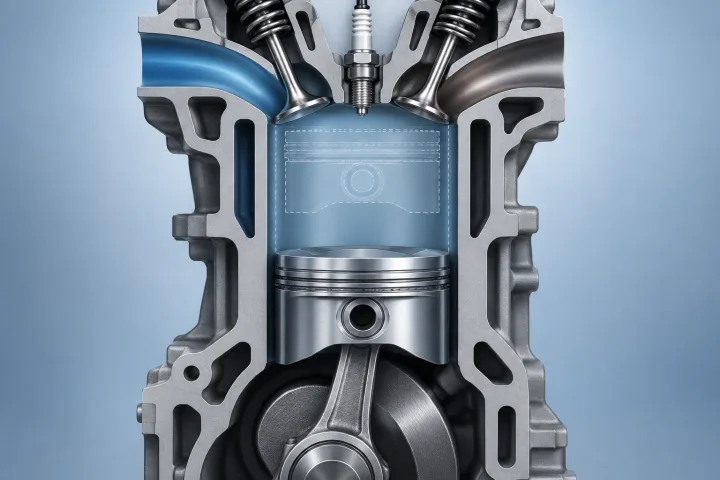
If your routes include regular peri‑urban or highway travel, a combustion engine (gasoline or diesel) may be more suitable, especially for long distances. Diesel is typically more efficient on the road, while gasoline offers greater versatility in the city. Plug‑in hybrids provide electric propulsion for short trips but require regular charging to maximise benefits.
| Powertrain | Main advantage in city | Key consideration |
|---|---|---|
| Electric | Maximum savings at frequent stops and LEZ access | Limited range and need for charging |
| Hybrid | Urban cycle efficiency without needing charge | Higher initial cost than a thermal |
| Gasoline | Versatility and lower purchase cost | Higher consumption in city than a hybrid |
| Diesel | Efficiency on long trips | Lower advantage in city and access restrictions |
Section references: ¿Qué coche elegir según el uso? ↗
- Intensive city use: hybrids and electrics capture more energy at frequent stops.
- Mixed use (city and road): hybrids balance efficiency and range.
- Predominantly highway use: combustion engines, especially diesel, can be more efficient.
Access Restrictions and Local Costs That Can Alter the Decision
Local traffic restrictions are a decisive factor. The environmental label (ECO or ZERO) is an important criterion for driving in cities with Low‑Emission Zones. If your city has or plans a LEZ, a car without the appropriate label could be restricted from access, directly affecting daily use.
Beyond restrictions, real maintenance costs include fuel, servicing, insurance, taxes, tires, inspections, repairs and energy consumption. These expenses can vary significantly by powertrain and use. An electric car, for example, has lower fuel costs but insurance and maintenance may differ from a thermal. Calculating total ownership cost for your specific use profile is essential.
Section references: ¿Qué coche elegir según el uso? ↗ · Cómo elegir un coche según tus necesidades ↗
- Check the car’s environmental label and its compatibility with your city’s LEZ.
- Calculate total ownership cost: fuel, insurance, taxes and maintenance.
- Consider charging costs if you choose an electric or plug‑in hybrid.
Checklist to Compare Cars Before Choosing
Before making the final decision, use this checklist to evaluate options objectively. This tool will help you compare different models based on practical and relevant criteria for your daily city use.
Section references: ¿Qué coche elegir según el uso? ↗ · Cómo elegir un coche según tus necesidades ↗
- Do the car’s dimensions fit my usual parking spaces?
- Is the turning radius and visibility suitable for the streets I drive on?
- Does the powertrain match my trip profile (urban, mixed or highway)?
- Does the car have the necessary environmental label to access my city’s LEZ?
- Is the total ownership cost (fuel, insurance, taxes) affordable for my budget?
- Are the cabin and trunk comfortable for my usual load and passengers?
What car size is best for the city?
A compact or city-sized car is recommended, as it facilitates movement on narrow streets and parking. However, turning radius and visibility are equally important for real maneuverability.
Is a hybrid or electric better for urban use?
Both are preferable in the city due to savings from regenerative braking. Electric offers greater savings and LEZ access, while hybrid doesn’t require charging and is more versatile if you lack charging points.
What environmental label do I need to drive in my city?
It depends on your municipality’s restrictions. ECO or ZERO labels are important if your city has or plans a Low‑Emission Zone. Check local regulations for specific requirements.
How do I calculate the real cost of a city car?
Real cost includes fuel, maintenance, insurance, taxes, tires, inspections, repairs and energy consumption. Sum these expenses over time to compare options objectively.