Renault 15: History, Versions, and Practical Guide for Enthusiasts
Discover the history of the Renault 15, its TL, TS, and GTL versions, technical differences with the Renault 17, and current resources for maintaining or buying one of these French sports classics.
Key points
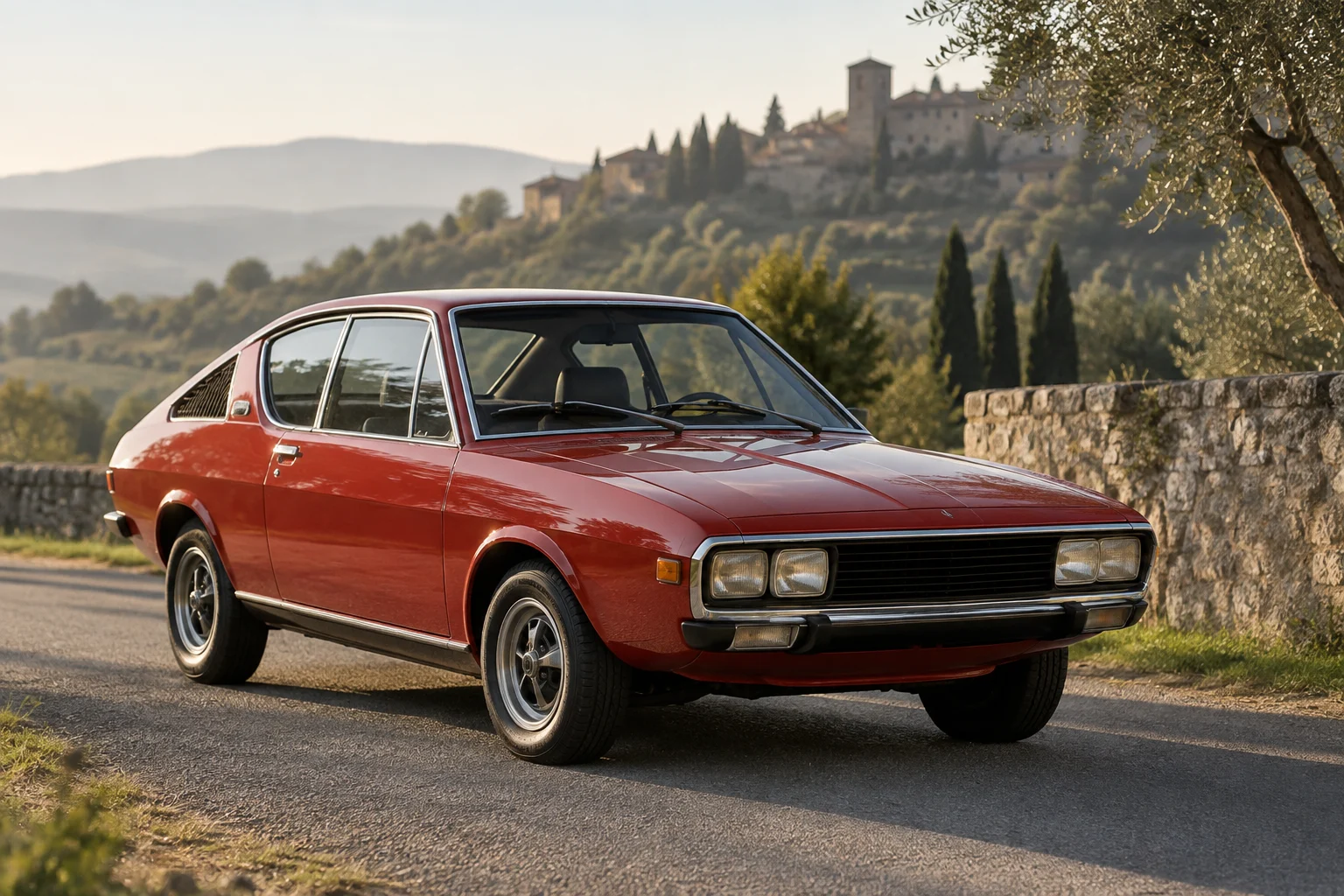
The Renault 15 (1971-1980) was the two-door coupe of the R15/17 family, distinguished from the R17 by its two rectangular headlights. This guide details its version evolution (TL, TS, GTL), Cléon-Fonte engine specifications, and current resources for maintenance and collecting.
Origin and Historical Context of the Renault 15
The Renault 15 and Renault 17 shared the same platform and were presented simultaneously at the 1971 Paris Motor Show. Production of this family of sports coupes extended until 1979 or 1980, depending on the market and variant.
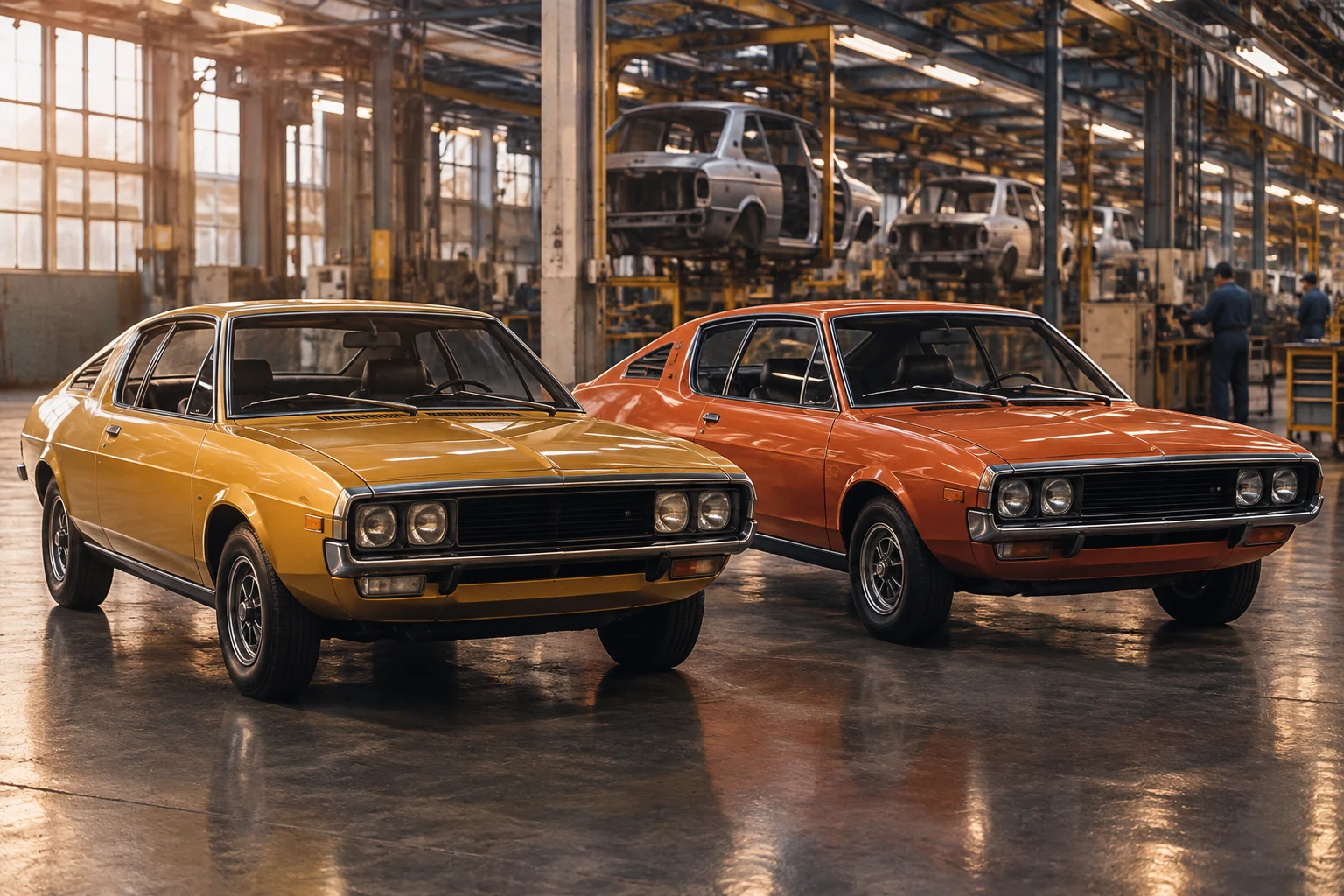
The main visual difference between the two models lay in the headlight configuration: the Renault 15 featured two rectangular headlights, while the Renault 17 incorporated four round headlights. This aesthetic distinction allowed for quick identification of the two-door variant (15) versus the four-door variant (17).
Initial production took place at the Flins plant, but by late 1972, the Maubeuge factory took over the complete manufacturing of the R15/17 family. At its peak capacity, the Maubeuge plant reached a production of 270 vehicles per day, reflecting the popularity of these models in Europe during the 1970s.
Section references: Renault 15/17 - Wikipedia ↗ · Modeljaar 1973 – Vriendenclub Renault 15/17 Nederland ↗
Version Evolution and Technical Specifications
The Renault 15 evolved throughout its lifecycle, adapting its range to market preferences. Initially, the offer focused on the TL and TS versions, while the GTL variant with more refined equipment was introduced later.
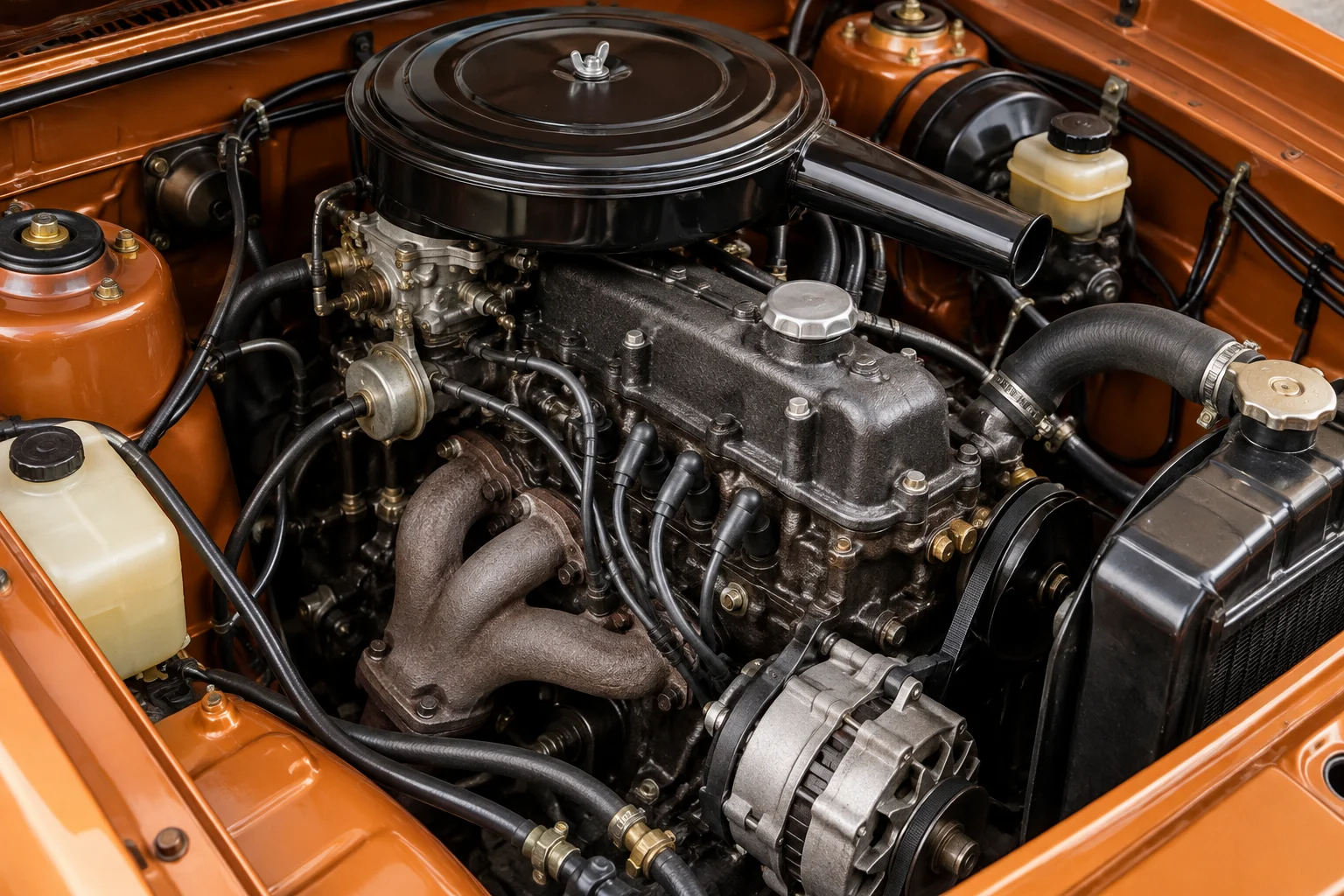
All Renault 15 models were powered by the 1289 cm³ (1.3-liter) Cléon-Fonte engine, derived from the Renault 12. This gasoline engine produced 60 HP (44 kW), offering a balance between efficiency and performance suitable for urban use and the secondary roads of the era.
| Version | Code | Reference Year | Distinctive Features |
|---|---|---|---|
| TL | R1300 | 1973 | Standard equipment, 1.3 Cléon-Fonte engine |
| TS | R1302 | 1973 | Sports details, 1.3 Cléon-Fonte engine |
| GTL | - | 1976 | Rear spoiler, 'petal' seats, plastic wheel covers, automatic transmission option |
Section references: Renault 15/17 - Wikipedia ↗ · Modeljaar 1973 – Vriendenclub Renault 15/17 Nederland ↗ · Modeljaar 1977 – Vriendenclub Renault 15/17 Nederland ↗
- Renault 15 TL (R1300): Entry-level version with basic equipment.
- Renault 15 TS (R1302): Sports version with specific aesthetic details.
- Renault 15 GTL: Introduced in 1976, with improved equipment and additional options.
Key Differences with the Renault 17
Although they share mechanics and platform, the Renault 15 and Renault 17 targeted slightly different audiences. The 15, being a two-door coupe, offered a more compact and sporty silhouette, while the 17, with four doors, prioritized family practicality.
In 1976, the reorganization of the Renault 15 range included the GTL version, which adopted design elements from the new Renault 17 TS, such as the rear spoiler and 'petal' design seats (siège pétales). This convergence of styles reflects Renault's strategy to maintain visual coherence within the R15/17 family.
Renault has confirmed that more than 92,000 units of the Renault 17 were manufactured between 1971 and 1979. Although exact figures for the Renault 15 are not available in the consulted sources, both models share the same production legacy at the Maubeuge plant.
Section references: Renault 15/17 - Wikipedia ↗ · R17 electric restomod x Ora Ïto - Newsroom Renault ↗
- Body: The R15 is a 2-door coupe; the R17 is a 4-door sedan.
- Headlights: The R15 has 2 rectangular headlights; the R17 has 4 round headlights.
- Production: More than 92,000 R17 units manufactured between 1971 and 1979.
Current Resources for Owners and Collectors
For those who own or wish to acquire a Renault 15, the availability of technical documentation and parts is a key factor. Renault has launched the 'The Originals' platform, which offers access to 50 repair manuals from its archives, available for free to enthusiasts.
These manuals are a valuable source for understanding the specific maintenance of 1970s models, including the Cléon-Fonte engine and suspension and braking systems. Additionally, clubs such as the Vriendenclub Renault 15/17 Nederland provide detailed information by model year, facilitating the identification of specific features of each series.
The enthusiast community remains active, with events and gatherings that allow owners to share knowledge and find spare parts. The collaboration between clubs and official Renault platforms ensures that the legacy of the Renault 15 remains alive for new generations of collectors.
Section references: Modeljaar 1977 – Vriendenclub Renault 15/17 Nederland ↗ · The Originals Renault: new services for enthusiasts and collectors ↗
- Repair manuals: 50 free manuals available on The Originals Renault.
- Specialized clubs: Vriendenclub Renault 15/17 Nederland offers guides by model year.
- Community: Events and gatherings to share experiences and resources.
Inspection Checklist for Purchase
Before buying a used Renault 15, it is fundamental to carry out a thorough inspection. Although this guide does not replace a professional mechanical review, the following points are essential for evaluating the vehicle's condition.
Check the condition of the Cléon-Fonte engine, paying attention to oil leaks and the state of the belts. Inspect the braking system, as 1970s models may present significant wear in the drums and pads. Examine the body for corrosion, especially in the sills and the trunk floor.
Ensure that the vehicle documentation is complete, including the maintenance history and any modifications made. The authenticity of original parts is an important factor for the collecting value of the Renault 15.
Section references: Renault 15/17 - Wikipedia ↗
- Engine: Check for oil leaks, belt condition, and coolant level.
- Brakes: Inspect drums, pads, and brake lines.
- Body: Look for corrosion in sills, floor, and underbody.
- Documentation: Verify maintenance history and part authenticity.
What is the main difference between the Renault 15 and the Renault 17?
The main difference is the headlight configuration: the Renault 15 has two rectangular headlights, while the Renault 17 has four round headlights. Additionally, the 15 is a two-door coupe and the 17 is a four-door sedan.
What engine did the Renault 15 have?
The Renault 15 was equipped with the 1289 cm³ (1.3-liter) Cléon-Fonte engine, derived from the Renault 12, which produced 60 HP (44 kW).
Where can I find repair manuals for the Renault 15?
Renault offers 50 repair manuals from its archives for free on the The Originals Renault platform. Additionally, clubs such as the Vriendenclub Renault 15/17 Nederland provide detailed information by model year.
How many Renault 17s were manufactured?
Renault has confirmed that more than 92,000 units of the Renault 17 were manufactured between 1971 and 1979. Exact figures for the Renault 15 are not available in the consulted sources.