Guide to Buying Parts and Spare Components for Classic Cars
Discover where to find spare parts for classic cars, how to verify their originality using OEM codes, and the customs procedures required when importing parts from abroad.
Key points
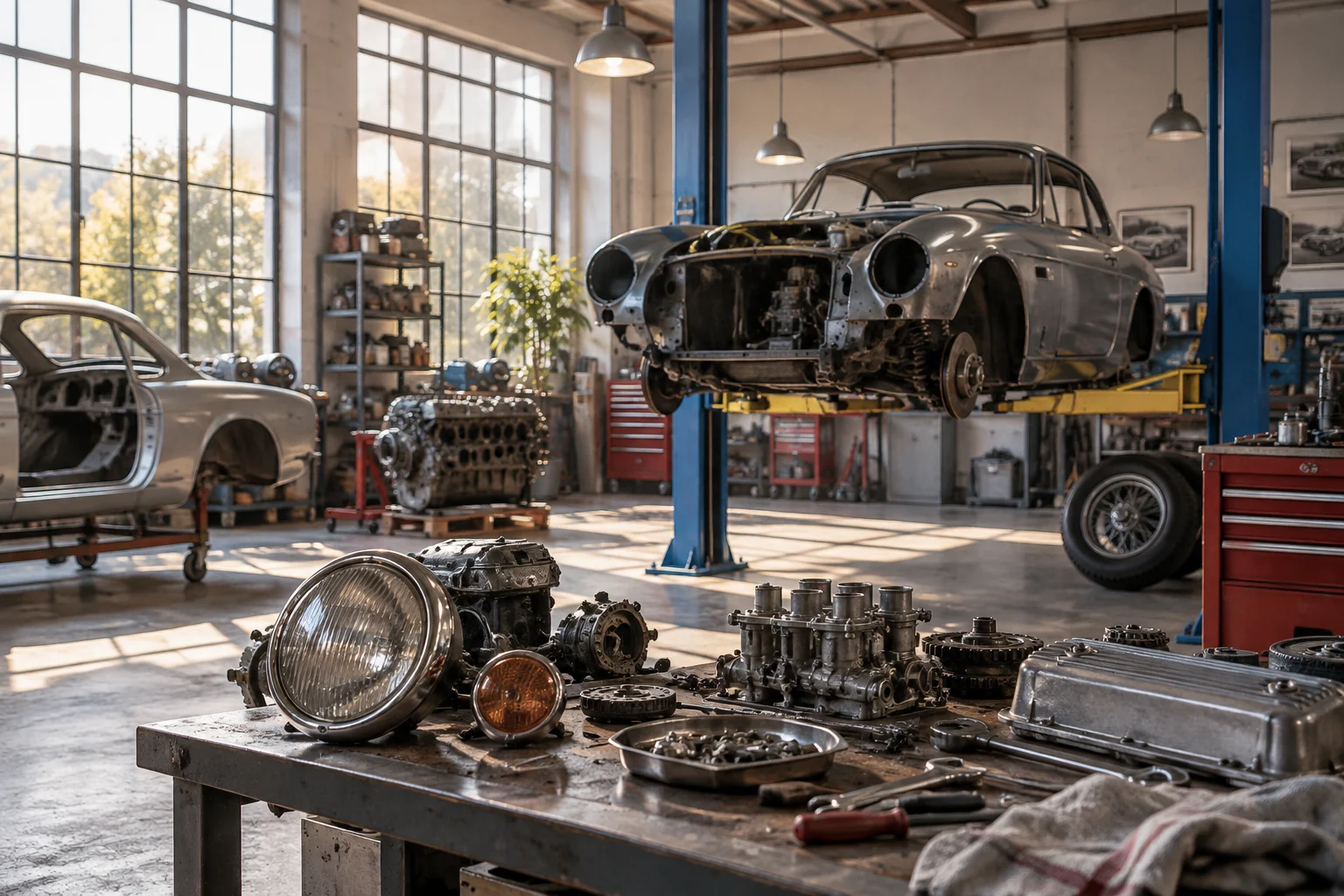
Finding parts for classic cars in Spain requires combining specialized sources, brand clubs, and trade fairs, as the historic vehicle fleet is relatively small. Verifying originality relies on the 13-digit OEM code, while importing parts requires classifying the item in the TARIC database to calculate duties and VAT.
The Challenge of Finding Spare Parts in Spain
The availability of parts for historic vehicles in Spain is significantly lower than in other European markets. According to RACE data, the number of cars registered as historic in Spain is around 47,000, a figure far below the 400,000 in France, 600,000 in Germany, or 1.5 million in the United Kingdom. This lower density of classic cars reduces the local supply of specific spare parts.
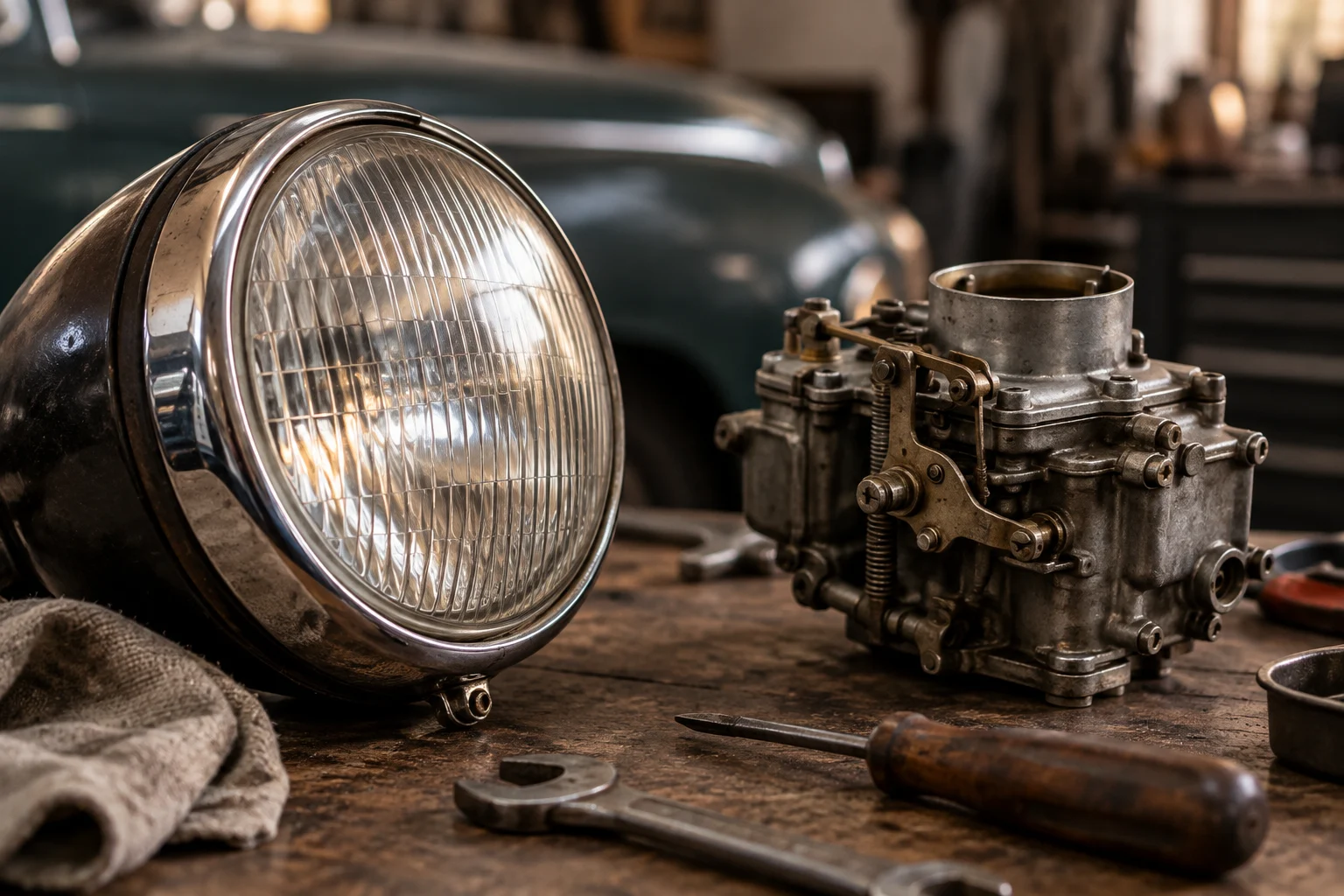
Not all parts present the same difficulty in locating. Components related to the vehicle's aesthetics, such as headlights or optical groups, are usually the most complicated to find. In contrast, internal mechanical or chassis parts often have more alternatives available through specialized suppliers or dismantlers of similar vehicles.
Section references: RACE: ¿Dónde encontrar piezas para coches clásicos? ↗
- The Spanish historic vehicle fleet is small compared to the European average.
- Optical groups and aesthetic parts are the most difficult to locate.
- Mechanical parts usually have more replacement options.
Types of Suppliers and Sources for Spare Parts
There are several ways to acquire spare parts, each with specific advantages. Authorized Vehicle Treatment Centers (CATV) offer original manufacturer parts at prices lower than new replacements and allow finding discontinued components. This option is useful for those seeking maximum fidelity to the original design.
Classic car owner clubs are a valuable source of information. Their members often share hard-to-find data, such as available replacements, specialized suppliers, manufacturers that still produce certain parts, and compatibilities between models. This network of practical knowledge can save time and money when searching for specific parts.
Classic vehicle fairs allow the buyer to personally inspect the condition of the spare part before purchasing and negotiate directly with the seller. This direct interaction is a significant advantage over online purchases, where it is not always possible to verify the physical condition of the part.
Section references: ARG Restauración: Cómo encontrar piezas de repuesto sin gastar una fortuna ↗
- CATV: Original manufacturer parts at competitive prices.
- Brand clubs: Information on compatibilities and suppliers.
- Fairs: Physical inspection and direct negotiation.

How to Check the Originality of a Part
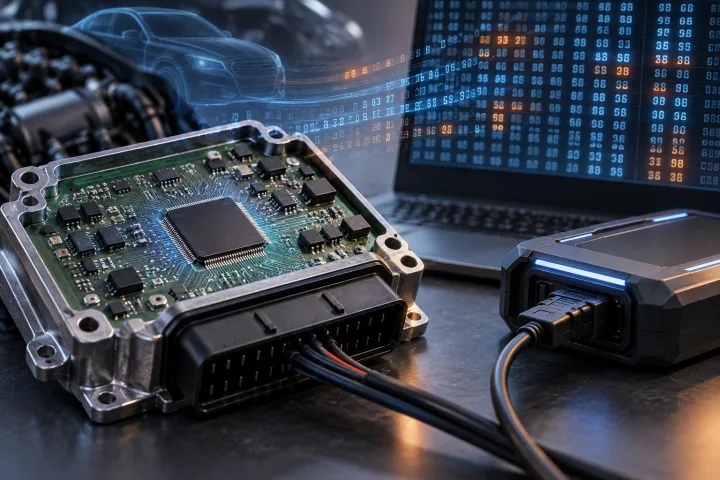
Verifying the originality of a spare part is based on the OEM (Original Equipment Manufacturer) code, also known as the EAM (European Article Number). This code consists of 13 digits that provide detailed information about the part's manufacturer, size, replacement model, country of origin, and identifying series.
To consult this code, you can check a side of the part itself, although sometimes it is necessary to disassemble parts of the car to access it. Another option is to use specialized software, such as GT Estimate or Audatex, where the breakdowns are specified with their factory code. To do this, it is necessary to previously enter the vehicle's chassis number (VIN).
OEM parts catalogs allow identifying exact parts by decoding the 17-character VIN. This system filters the catalog by engine, transmission, body style, and optional equipment, ensuring precise identification based on the vehicle's factory construction.
Section references: RACE: Recambios OEM: la importancia de las piezas OEM originales ↗ · 7zap: Catálogo de piezas OEM ↗
- The OEM code has 13 digits and identifies the manufacturer, model, and origin.
- The code can be engraved on the part or consulted in software using the VIN.
- OEM catalogs decode the 17-character VIN to filter parts.
Importing Parts: Procedures and Costs
When importing parts from abroad, it is fundamental to know the customs costs. The European Union's TARIC database integrates measures related to the common customs tariff and commercial and agricultural legislation. Consulting this database allows you to know the exact amount of customs duties and VAT applicable to the imported goods.
Correct tariff classification is key to avoiding surprises in costs. The Spanish Tax Agency uses the TARIC database to determine applicable taxes. It is important to distinguish between the import of loose parts and that of complete historic vehicles, as conditions may vary.
For a vehicle to be classified in tariff heading 9705 (historic vehicles), it must meet several requirements: have an age of more than 30 years, be in original condition without substantial changes, be of a model that is no longer manufactured, and be susceptible to being considered a collection object. If the part does not meet these criteria, standard tariffs for spare parts will apply.
| Requirement | Description |
|---|---|
| Age | More than 30 years |
| Condition | Original, without substantial changes |
| Production | Model that is no longer manufactured |
| Nature | Susceptible to being considered a collection object |
Section references: European Commission: EU Customs Tariff (TARIC) ↗ · Agencia Tributaria: Clasificación de la mercancía. TARIC ↗ · Fiscal Impuestos: Tipo impositivo aplicable a la importación de vehículos históricos ↗
- TARIC is the official database for calculating duties and VAT.
- Correct tariff classification avoids unexpected costs.
- Historic vehicles (heading 9705) have specific age and condition requirements.
Where can I find original parts for a classic car in Spain?
You can search in Authorized Vehicle Treatment Centers (CATV), brand owner clubs, classic vehicle fairs, and specialized online suppliers. CATVs offer original parts at competitive prices and may have discontinued components.
How do I know if a part is factory original?
Verify the 13-digit OEM code engraved on the part or consult the code in specialized software using your car's chassis number (VIN). OEM catalogs allow filtering exact parts according to the factory configuration.
What taxes must I pay when importing a part from abroad?
You must pay the applicable customs duties and VAT. You can calculate these costs by consulting the European Union's TARIC database, which integrates measures from the common customs tariff and commercial legislation.
Which parts are the most difficult to find for classic cars?
Parts related to the vehicle's aesthetics, such as headlights or optical groups, are usually the most complicated to locate. Internal mechanical parts often have more alternatives available.