Interior Wear and Mileage: Which Clues Matter and Which Don't
Learn how to assess the interior condition of a used car. Discover what to look for on the steering wheel and seats, and how to cross-reference these signs with MOT history and invoices to avoid surprises.
Key points
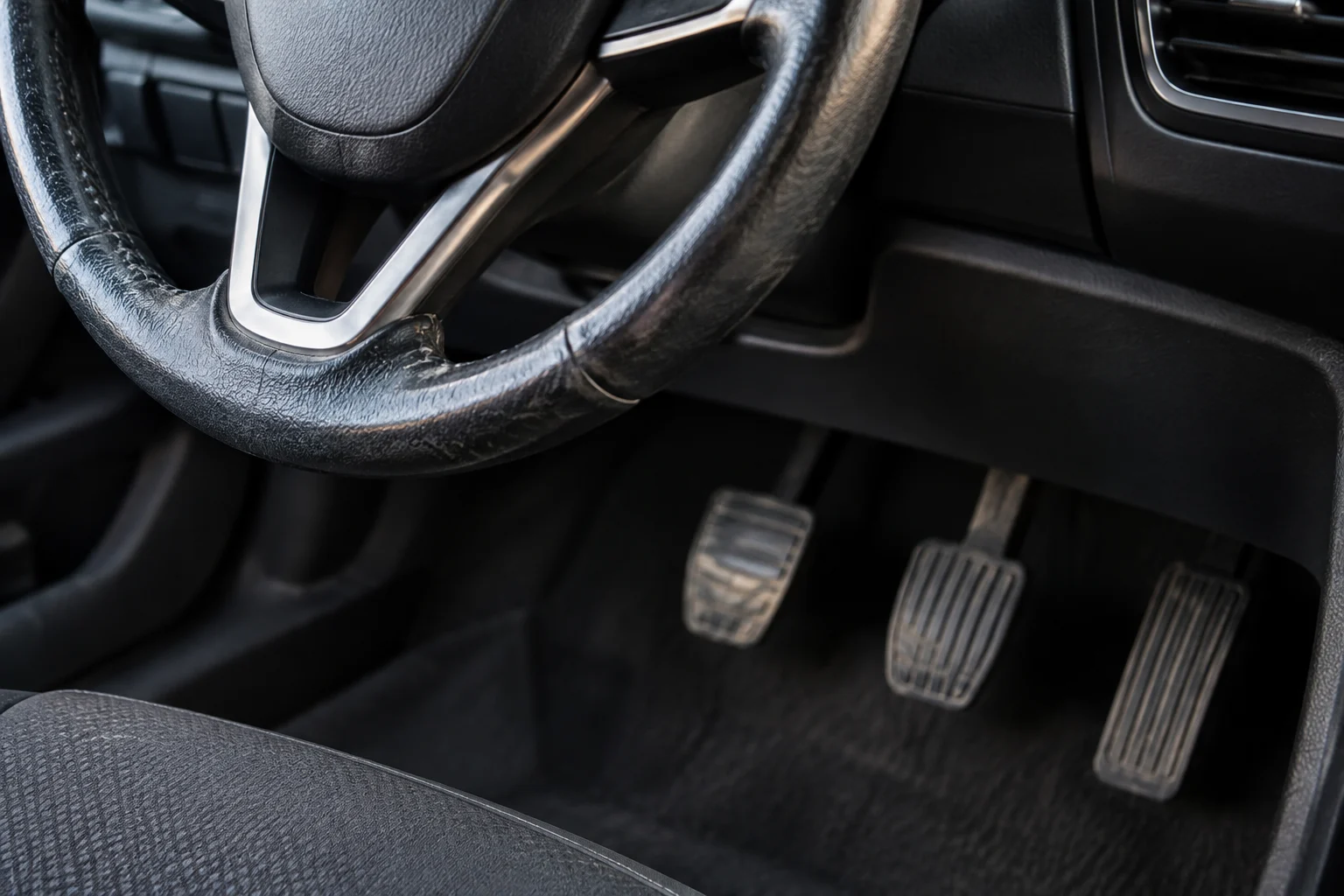
Interior wear in a used car offers clues about its usage but does not determine the actual mileage. This guide explains how to interpret signs on the steering wheel, pedals, and seats, and how to cross-reference them with documentation and technical history to make an informed purchase decision.
What interior wear can suggest and why it doesn't prove mileage
When evaluating a used car, it is common to look at the condition of the steering wheel, pedals, or seats to guess if the vehicle has traveled more miles than the odometer indicates. However, interior wear is not definitive proof of actual mileage. Wear inconsistent with the indicated figure may indicate odometer tampering, but it can also simply be due to very intensive use or specific driving conditions.
For example, a car that has mainly driven in the city, with many stops and starts, may show more mechanical and interior wear than a vehicle that has made long highway trips, even if both have the same mileage. Therefore, the interior condition should be considered as one more clue within a global evaluation, not as an isolated verdict.
Section references: Informe de vehículo de segunda mano: qué revisar antes de comprarlo ↗
- Steering wheel and pedal wear can vary depending on driving style.
- Intensive urban use accelerates the wear of certain parts.
- Inconsistency between wear and mileage requires more context to be interpreted.
Steering wheel, pedals, seat, and controls: what to observe without applying universal thresholds
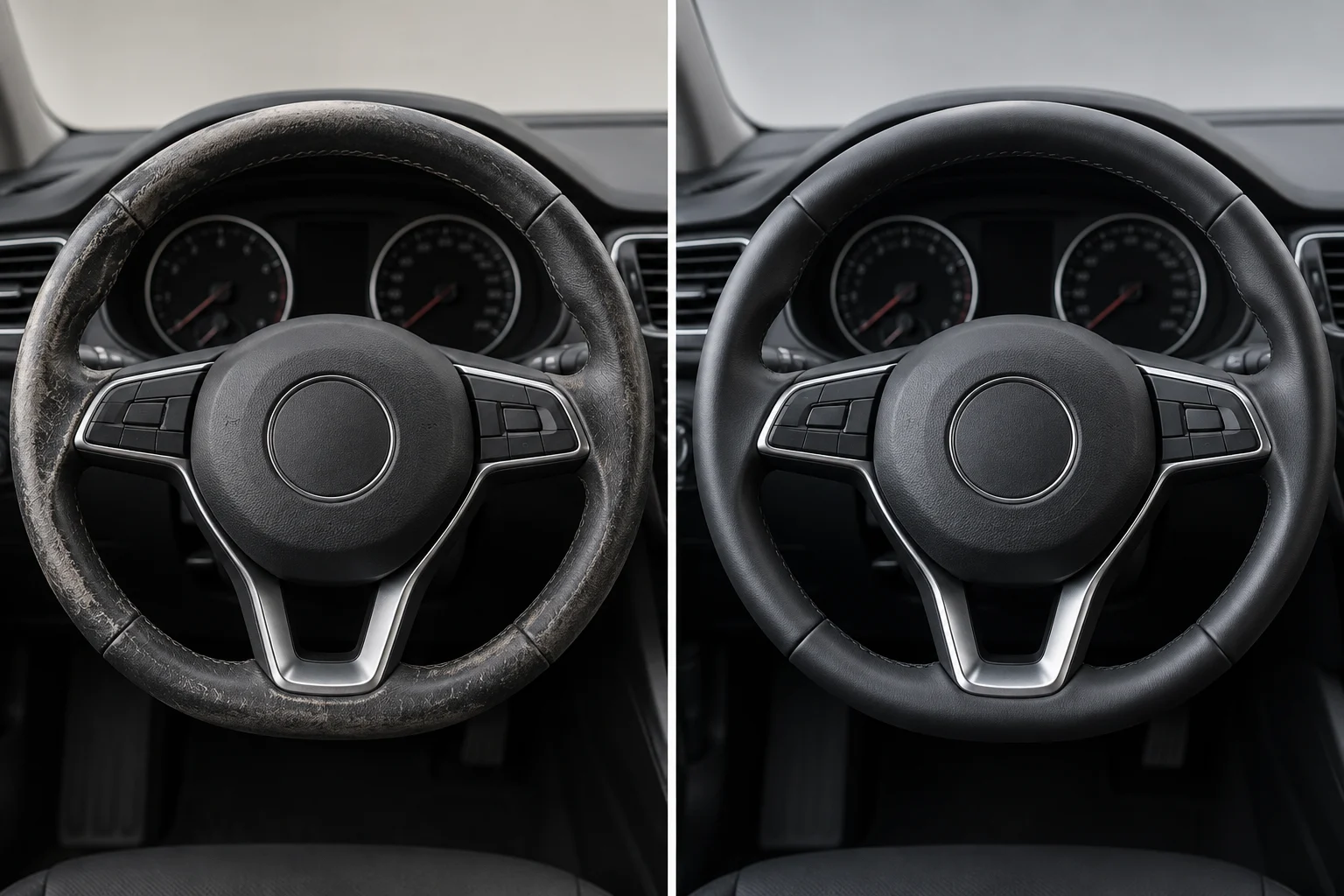
There are no universal rules stating that a steering wheel must be worn at 31,000 miles or that a seat must be intact at 62,000 miles. Wear depends on multiple factors, such as the upholstery material, the number of regular drivers, and the care of the vehicle. Even so, there are key areas where use is manifested most evidently.
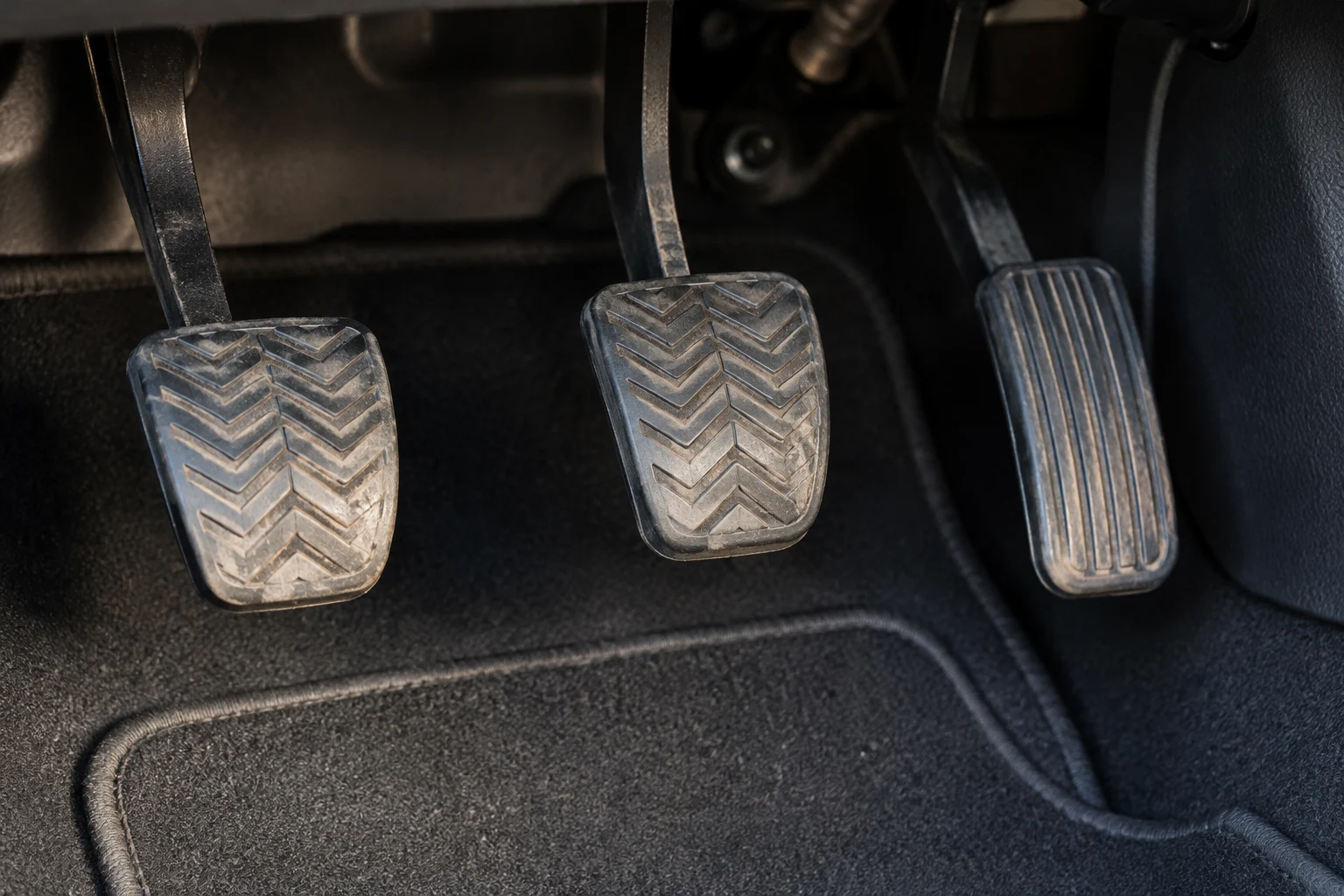
On the steering wheel, pay attention to the 9 and 3 o'clock positions, where hands rest most frequently. On the pedals, the wear of the rubber or foam can indicate frequency of use. On the seats, wear in the lumbar area and armrests is a good indicator of usage time. On the controls, such as the gear selector or center panel buttons, shine or material wear can reflect intensive use.
Section references: Informe de vehículo de segunda mano: qué revisar antes de comprarlo ↗
- Steering wheel: check the 9 and 3 o'clock positions for wear or shine.
- Pedals: observe the wear of the rubber or foam.
- Seats: pay attention to the lumbar area and armrests.
- Controls: check the gear selector and frequent buttons.
Factors that alter wear: urban use, drivers, materials, and care
The type of use is a determining factor when interpreting interior wear. A vehicle that has mainly made long highway trips usually presents more uniform and lesser wear in certain areas than one that has driven almost exclusively in the city. Urban traffic, with its constant stops, starts, and maneuvers, generates greater mechanical and interior wear.
In addition, the number of regular drivers influences wear. A car with several drivers may show more irregular or accelerated wear in certain areas. The quality of the upholstery materials and the general care of the vehicle also play an important role. A well-maintained interior can retain good condition even with high mileage, while a neglected one may show signs of premature wear.
Section references: Informe de vehículo de segunda mano: qué revisar antes de comprarlo ↗
- Intensive urban use accelerates mechanical and interior wear.
- Several regular drivers can generate irregular wear.
- The quality of materials and vehicle care influence its condition.
How to cross-reference signs with MOT, invoices, history, and available records
To value a used car, it is fundamental to cross-reference the indicated mileage with the MOT history or a technical report of the vehicle. These documents can confirm if the miles marked by the car match those recorded in the technical vehicle inspections. In addition, reviewing the sealed and complete maintenance book, as well as invoices for work performed, can provide a clearer view of the vehicle's history.
A detailed service history can help understand the maintenance and past use of a car, although it does not guarantee that it is free of faults. Therefore, it is important to combine the interior review with the verification of documentation to obtain a complete picture of the vehicle's condition.
Section references: Informe de vehículo de segunda mano: qué revisar antes de comprarlo ↗ · Coche de segunda mano: ¿es más importante kilometraje o edad? ↗
- Cross-reference mileage with MOT history.
- Review the sealed and complete maintenance book.
- Request invoices for work performed.
- A detailed history does not guarantee the absence of faults.
What to ask the seller and when to request an independent inspection
Before buying a used car, it is recommended to ask specific questions to the seller about the vehicle's use. Ask if it has been used mainly in the city or on the highway, how many regular drivers it has had, and if it has undergone any recent maintenance work. These answers can help you better interpret the interior wear.
If you have doubts about the consistency between wear and mileage, or if the documentation is not complete, consider requesting an independent inspection. A technician can review the general condition of the vehicle and provide a detailed report that helps you make an informed decision.
Section references: Informe de vehículo de segunda mano: qué revisar antes de comprarlo ↗
- Ask about the type of use: city or highway.
- Inquire about the number of regular drivers.
- Request information about recent maintenance.
- Consider an independent inspection if you have doubts.
How to evaluate discrepancies without concluding fraud based on a single part
Finding a discrepancy between the wear of a part and the indicated mileage should not lead to an automatic conclusion of fraud. As mentioned, wear can vary for multiple reasons, such as intensive use or driving conditions. It is important to maintain a balanced perspective and not base the purchase decision on a single signal.
Instead of focusing on a specific part, evaluate the vehicle as a whole. If several signs point to usage higher than declared and the documentation does not support it, then it is more likely that there is tampering. However, if only one part shows inconsistent wear, it is likely due to specific usage or care factors.
Section references: Informe de vehículo de segunda mano: qué revisar antes de comprarlo ↗
- Do not conclude fraud based on a single part.
- Evaluate the vehicle as a whole and its documentation.
- Multiple inconsistent signs increase the suspicion of tampering.
- Maintain a balanced perspective in the evaluation.
Can I determine the actual mileage of a car solely by the wear on the steering wheel?
No, steering wheel wear is only a clue. It can vary depending on use, the number of drivers, and the care of the vehicle. It must be cross-referenced with MOT history and documentation.
What documents should I review to verify mileage?
You should review the MOT history, the sealed maintenance book, and invoices for work performed. These documents can confirm if the indicated mileage is consistent with actual use.
Is it normal for a car with low mileage to have a very worn steering wheel?
It can be normal if the car has had intensive use, several drivers, or if the steering wheel material is of low quality. It is not necessarily a sign of fraud.
When should I request an independent inspection?
If you have doubts about the consistency between wear and mileage, or if the documentation is not complete, it is recommended to request an independent inspection to obtain a detailed report.