Small or compact car for the city: what to choose based on your trips
Practical guide to deciding between a city car and a compact by analyzing dimensions, seats, trunk space, and usage costs in Spain.
Key points
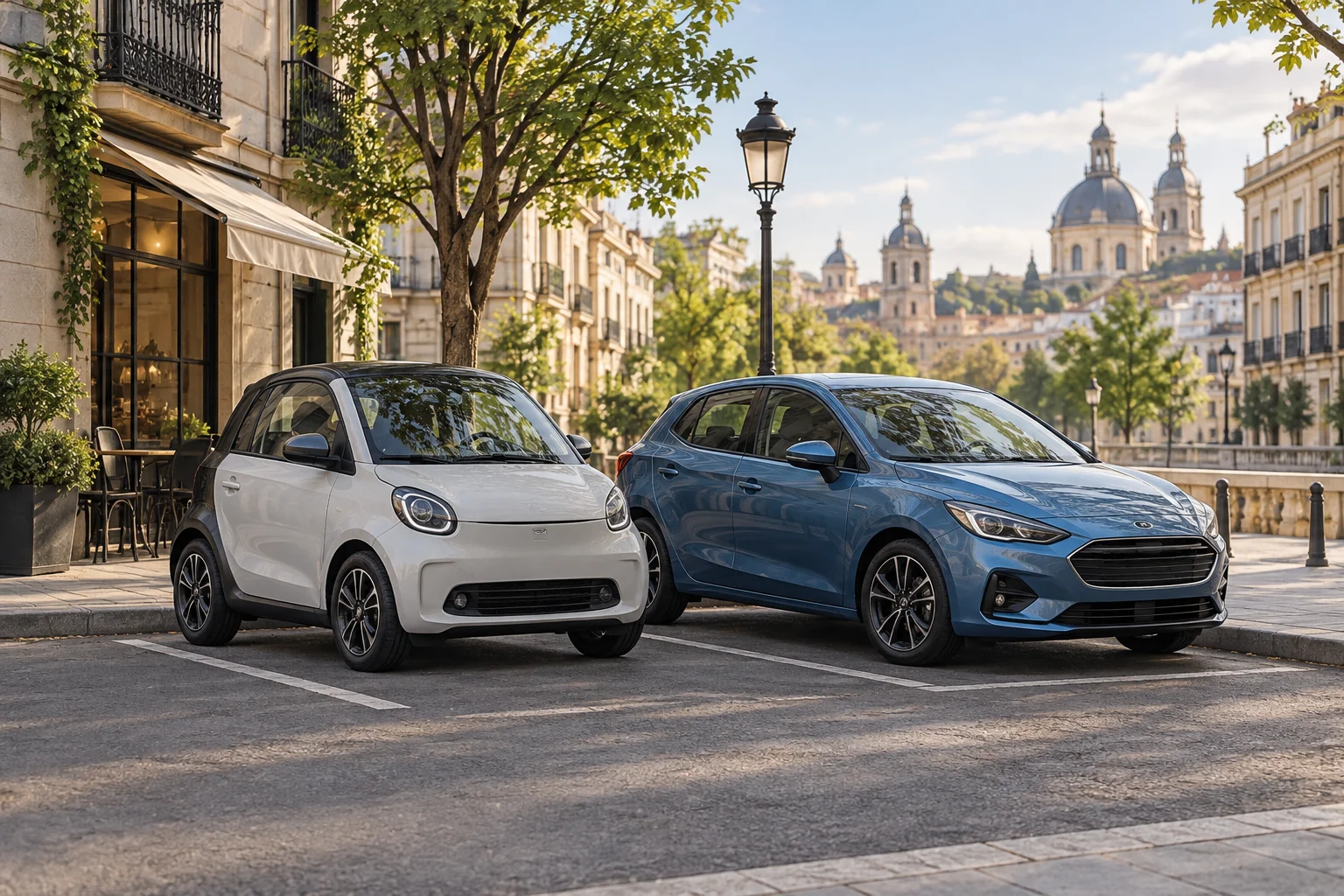
Choosing between a small city car and a compact vehicle depends on the actual length of the car, the number of seats required, and the frequency of highway trips. A compact offers more space and trunk capacity, while a small car facilitates maneuvers in tight spaces.
Key differences between city cars and compacts
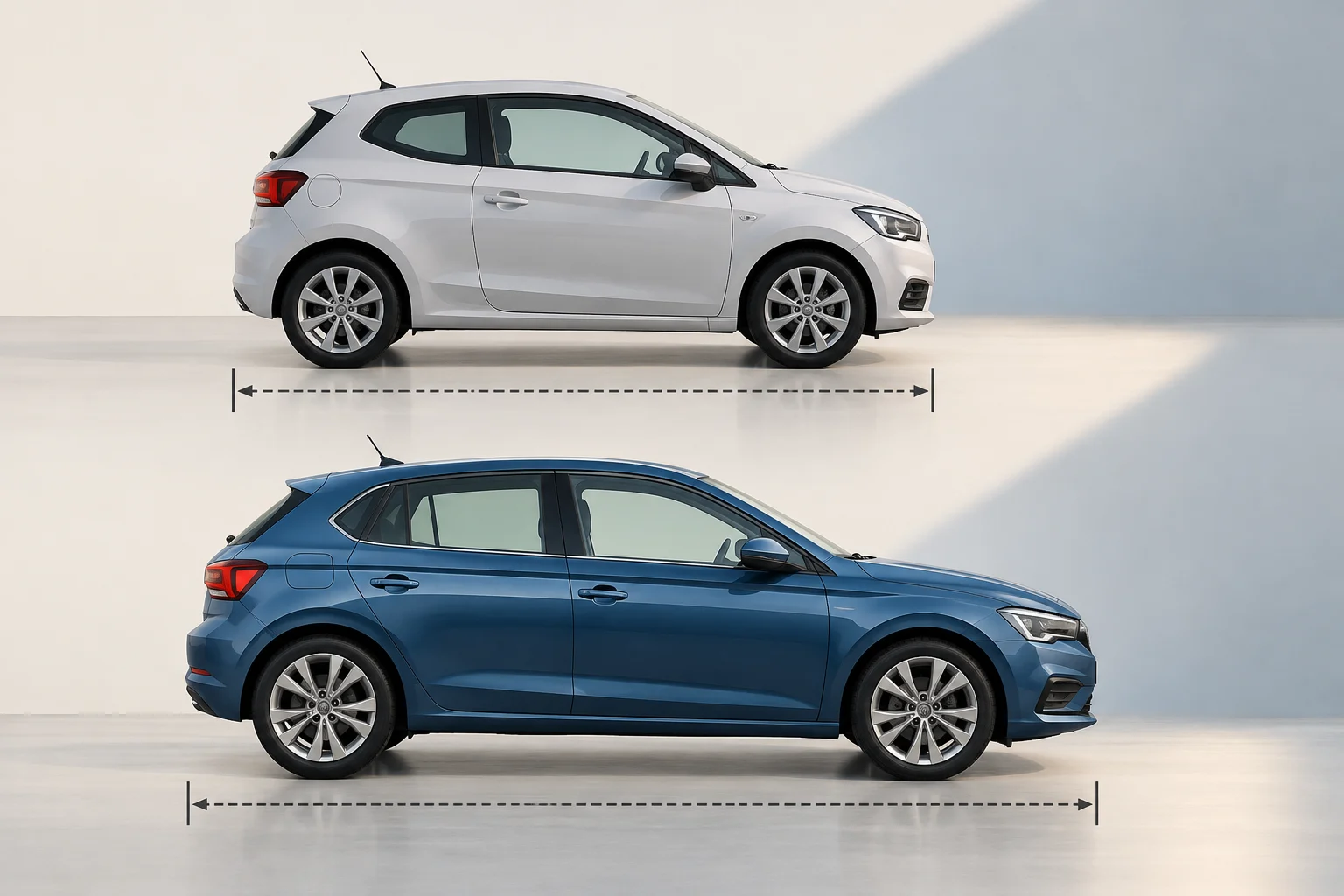
The main distinction between a small car (Segment A) and a compact (Segment C) lies in dimensions and interior capacity. Compacts usually measure between 4.3 and 4.5 meters in length and offer a trunk close to 400 liters, making them more versatile for transporting luggage or bulky purchases.
In contrast, small cars prioritize agility and efficient use of interior space. Although they are shorter, many current models offer five seats with an intelligent design that maximizes habitability. The choice should not be based solely on external size, but on how the available space is distributed for occupants and their belongings.
Section references: Mejores coches compactos 2026 | Guía de compra ↗
- Typical length of compacts: 4.3 to 4.5 meters.
- Average trunk space in compacts: around 400 liters.
- City cars usually offer five seats in lengths under 4 meters.
Maneuvers and parking in tight spaces
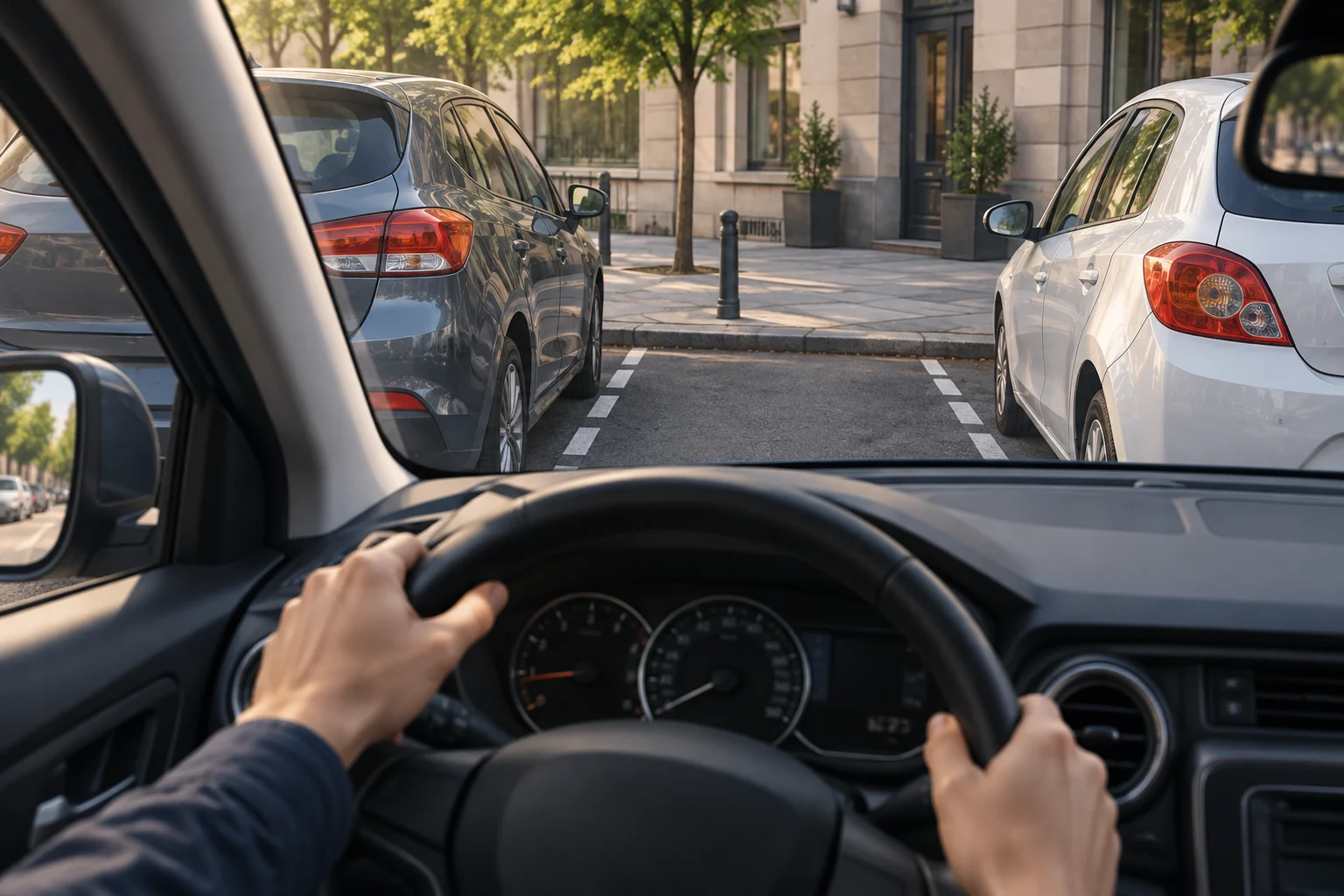
In urban environments with reduced parking spaces, the length and width of the vehicle are critical factors. A shorter car facilitates entry into narrow spaces and reduces the turning radius required to maneuver in narrow streets or small roundabouts.
It is important to verify the exact measurements of the specific unit being considered, as bumpers and mirrors can influence the perception of space. Visibility from the driving position also varies by model, so a test drive in an environment similar to daily use is recommended before purchase.
Section references: Criterios esenciales para elegir un coche pequeño ↗
- Verify total length and width including mirrors.
- Evaluate lateral and rear visibility from the driver's seat.
- Consider ease of turning in enclosed spaces.
Access, rear seats, and trunk
The number of seats and legroom in the rear row determine passenger comfort. Some small cars, like the Hyundai i10, offer five seats, while others, like the Toyota Aygo X, are limited to four, prioritizing the width of the main seats.
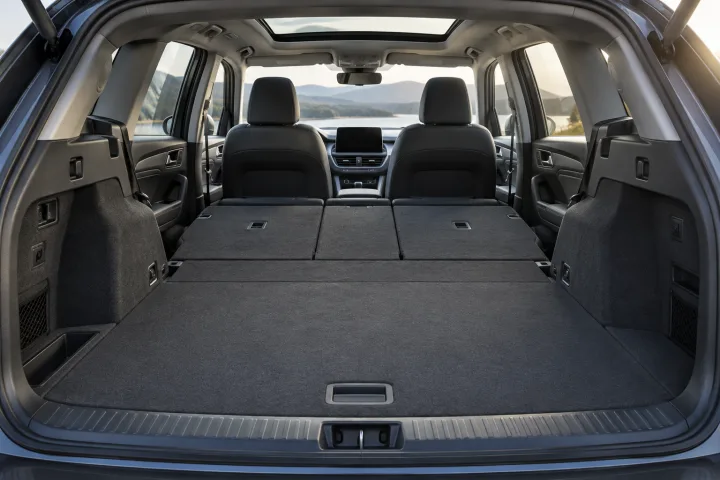
The trunk is another key decision point. If the main use is urban with few outings, a smaller trunk may be sufficient. However, if occasional trips are made or bulky objects are transported frequently, the extra space of a compact or a small car with an optimized trunk will be more useful.
| Model | Length (m) | Seats | Notable Engine |
|---|---|---|---|
| Hyundai i10 | 3.67 | 5 | 1.0 T-GDI 79 HP or atmospheric 63 HP |
| Toyota Aygo X | 3.77 | 4 | Hybrid 1.5 116 HP |
Section references: Hyundai i10 vs Toyota Aygo X ↗
- Compare legroom in the second row.
- Evaluate trunk height for tall objects.
- Consider ease of access to rear seats.
Highway use and occasional trips
Although both segments are suitable for urban use, compacts usually offer greater stability and comfort on high-speed roads due to their greater weight and dimensions. Small cars, being lighter, can be more sensitive to crosswinds and road irregularities on long trips.
If the car will be used mainly for daily city commutes and only occasionally for weekend trips, a small model may be sufficient. However, if frequent highway use is planned, the greater soundproofing and stability of a compact may justify the investment.
Section references: ¿Qué coche elegir según el uso? ↗
- Evaluate highway stability at speeds above 100 km/h.
- Consider interior noise level on long trips.
- Verify fuel tank range to avoid frequent stops.
Consumption, costs, and environmental regulations
Usage costs include fuel consumption, insurance, maintenance, and taxes. Small cars usually have lower consumption in the city, but hybrids can offer additional advantages in urban environments with heavy traffic.
In Spain, the environmental label is an important factor for accessing low-emission zones. The ZERO label, reserved for pure electric, hydrogen, and plug-in hybrids with sufficient range, allows unrestricted driving in many cities. Non-plug-in hybrid models, like the Toyota Aygo X, may have restrictions in some areas, so it is necessary to consult local regulations.
Section references: Mejores coches para ciudad en 2026: guía para elegir ↗ · ¿Qué coche elegir según el uso? ↗
- Calculate cost per kilometer including fuel and maintenance.
- Verify the vehicle's environmental label to access LEZ.
- Compare official consumption with real urban driving consumption.
Practical checklist for the final decision
Before deciding, it is recommended to make a checklist that includes real usage needs. This helps avoid impulsive purchases based on aesthetics or brand, and focuses on the functionality of the vehicle for the driver and their passengers.
Section references: Criterios esenciales para elegir un coche pequeño ↗
- Define the percentage of urban use versus highway.
- Determine the minimum number of seats needed.
- Verify car dimensions against usual parking spaces.
- Consult low-emission zone regulations in the city of residence.
- Perform a test drive in conditions similar to daily use.
Is a small car or a compact better for the city?
It depends on your needs. A small car is more agile and easier to park, while a compact offers more space and comfort on the highway. If use is exclusively urban, a small car is usually sufficient; if there are frequent trips, a compact is more versatile.
What environmental label is needed to drive in low-emission zones?
The ZERO label is the most permissive and allows driving in most low-emission zones. It includes pure electric, hydrogen, and plug-in hybrids with sufficient range. Non-plug-in hybrids may have restrictions.
How long is a typical compact car?
Compact cars usually have a length between 4.3 and 4.5 meters and a trunk close to 400 liters, making them more spacious than small cars.