Preload, Compression and Rebound: What Each Suspension Control Adjusts
Discover the technical difference between spring preload and the hydraulic compression and rebound adjustments. A practical guide to understanding how they affect your vehicle's height and stability.
Key points
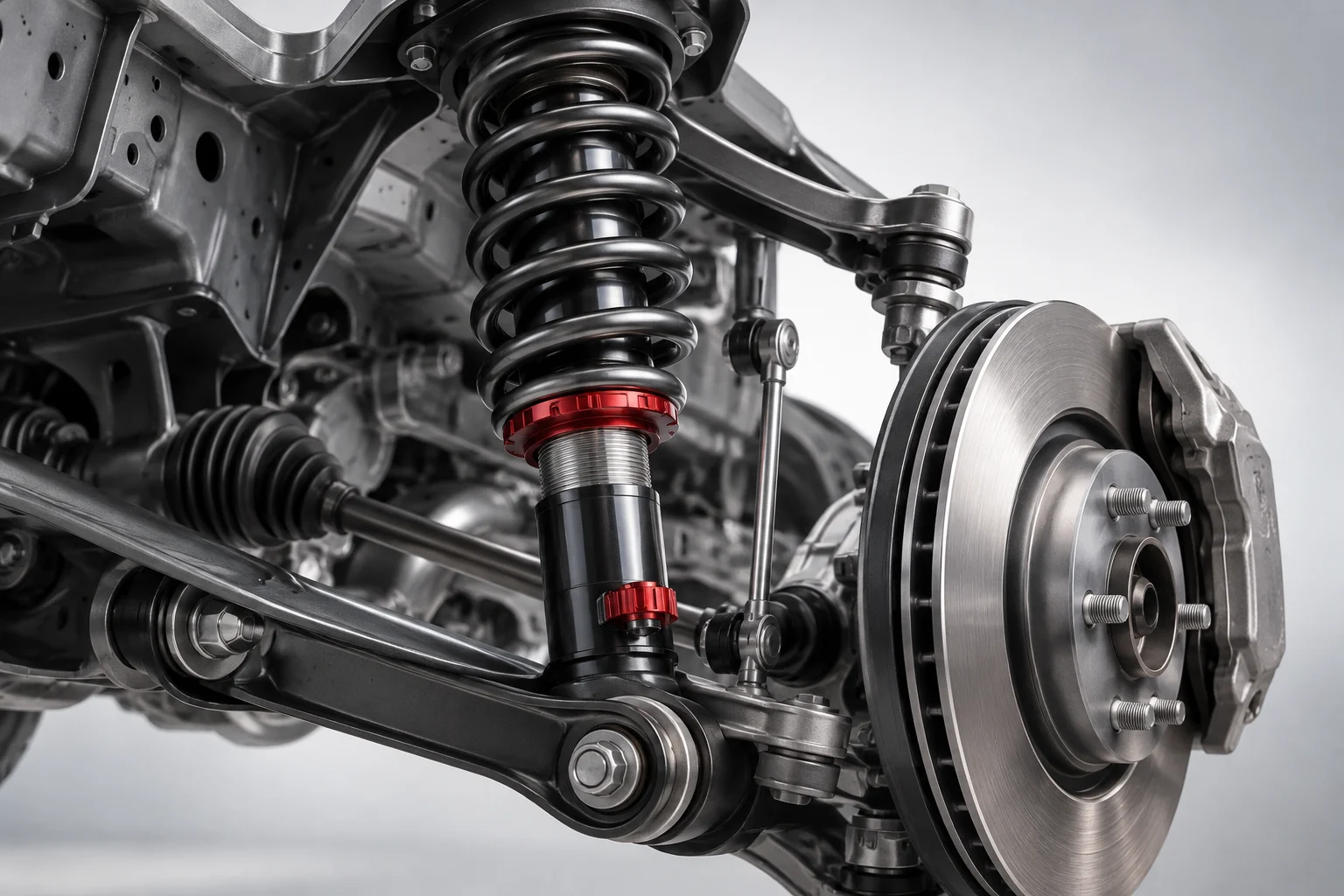
Spring preload adjusts the vehicle's static height without changing the spring's stiffness, while compression and rebound control the speed of the shock absorber's movement. Understanding this distinction prevents confusion when configuring the suspension and helps identify which adjustments are available on each model.
What does adjustable car suspension mean?
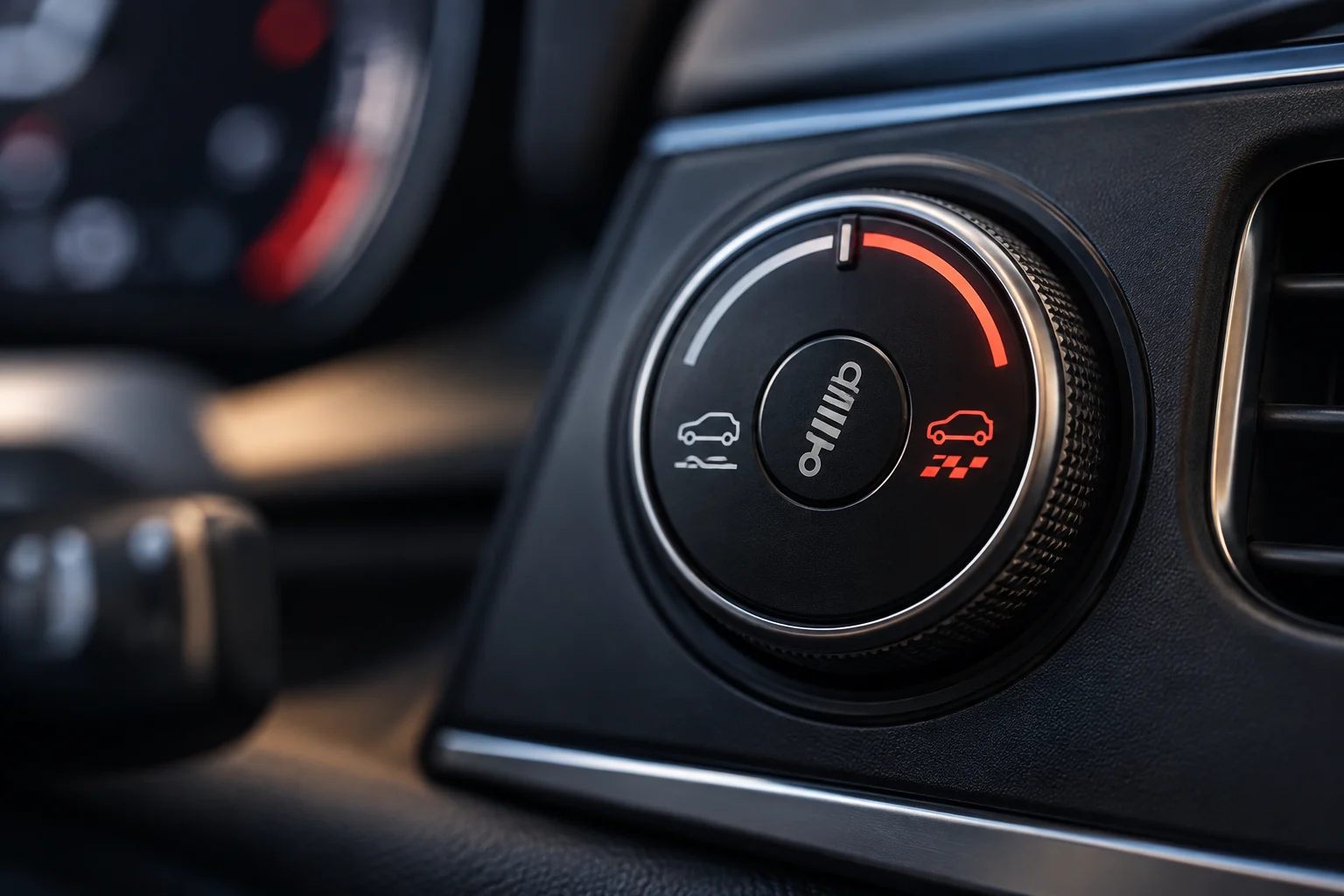
Adjustable car suspension allows a driver or technician to modify specific parameters to adapt the vehicle's response to different load conditions or driving styles. Not all cars offer the same adjustments; availability depends on the manufacturer's design and the installed components.
It is fundamental to distinguish between adjustments that modify the vehicle's static geometry and those that alter the shock absorbers' dynamics. Confusing these concepts can lead to incorrect expectations about the car's behavior on the road.
Section references: Cómo ajustar la suspensión de tu moto según tu peso y uso ↗
- Adjustability is not universal: each model has its own limits and possibilities.
- Adjustments can be manual or electronic, depending on the system.
- The ultimate goal is to optimize comfort and stability according to the situation.
Preload: relationship with static sag
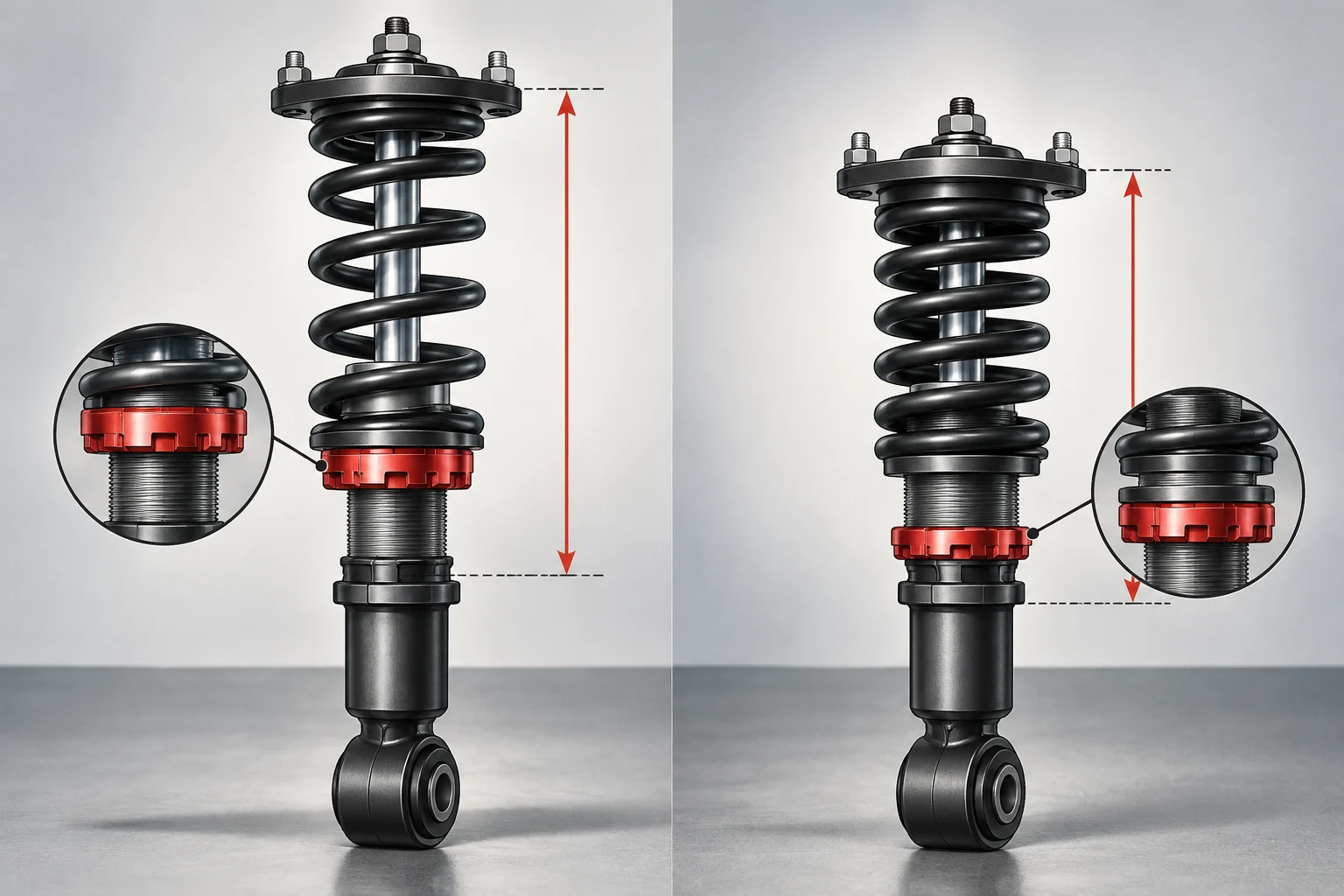
Preload is the adjustment that modifies the initial compression of the spring. Its main function is to determine the height at which the vehicle sits under load. It is important to clarify that adjusting the preload does not change the spring constant; that is, it does not make the spring stiffer or softer in terms of resistance to deformation.
In practice, increasing the preload reduces the vehicle's static sag, raising its height. Conversely, reducing it increases the sag, causing the car to sit lower. This adjustment is crucial for compensating for variations in the weight of the driver or the load being transported.
| Adjustment | Effect on sag | Effect on height |
|---|---|---|
| Increase preload | Decreases | Increases |
| Reduce preload | Increases | Decreases |
Section references: Ajuste de precarga ↗
- Preload does not alter the intrinsic stiffness of the spring.
- Increasing preload decreases sag and raises the vehicle's height.
- Reducing preload increases sag and lowers the vehicle's height.
Compression and rebound: controlling movement speed
Unlike preload, compression and rebound are hydraulic adjustments that act on the shock absorber. Compression controls the suspension's resistance to compressing, that is, how it responds to a pothole or a force pushing the wheel upward.
Rebound, for its part, regulates the speed at which the shock absorber returns to extension after having been compressed. A firmer rebound setting limits excessive bouncing of the suspension, while a softer one allows freer movement. These adjustments are key for stability in corners and the feeling of control.
Section references: Cómo ajustar la suspensión de tu moto según tu peso y uso ↗
- Compression controls the response to impacts and potholes.
- Rebound controls the return speed of the shock absorber.
- Both adjustments are hydraulic and do not affect the vehicle's static height.
Adjustment limits and when to consult the manufacturer
The effects of these adjustments depend largely on the specific design of the vehicle and the suspension components. There is no universal optimal configuration; each car requires adjustments based on its factory specifications.
To get the best results and avoid damage, it is recommended to consult the owner's manual or visit a specialist. Manufacturers provide base values that serve as a safe starting point for any modification.
Section references: Cómo ajustar la suspensión de tu moto según tu peso y uso ↗
- The optimal configuration varies by manufacturer and components.
- Consulting the owner's manual is the first step for any adjustment.
- A specialist can help calibrate the suspension for a specific use.
Does preload make the spring stiffer?
No. Preload only changes the initial compression of the spring and the vehicle's height. The spring constant, which determines its actual stiffness, remains unchanged.
What is the difference between compression and rebound?
Compression controls how the suspension resists compressing when impacted, while rebound controls the speed at which the shock absorber returns to its original position.
Can I adjust my car's suspension at home?
It depends on the model. Some cars allow basic adjustments, but for precise and safe configurations, it is recommended to consult the manual or visit a specialist.