Renault 17 TL: History, Body Styles, and Enthusiast Guide
Discover the history of the Renault 17 TL, its coupe and convertible variants, differences from the Gordini, and practical tips for preserving this French classic.
Key points
The Renault 17 TL (1971-1979) was a front-wheel-drive sports coupe and convertible with a longitudinal engine, produced in Maubeuge. With over 92,000 units built, it is distinguished by its pillarless design and evolution into the Gordini version.
Origin and Design of the Renault 17
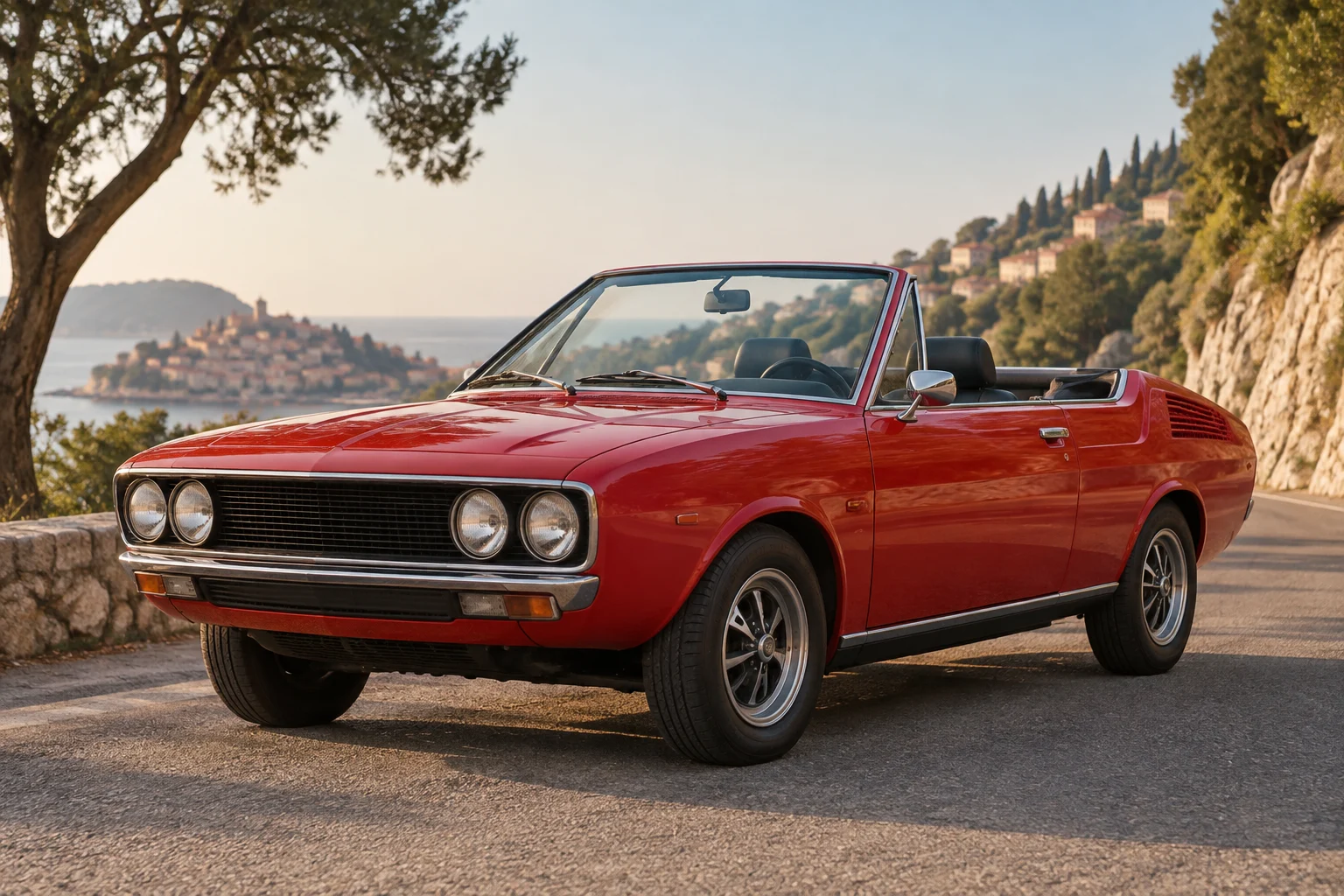
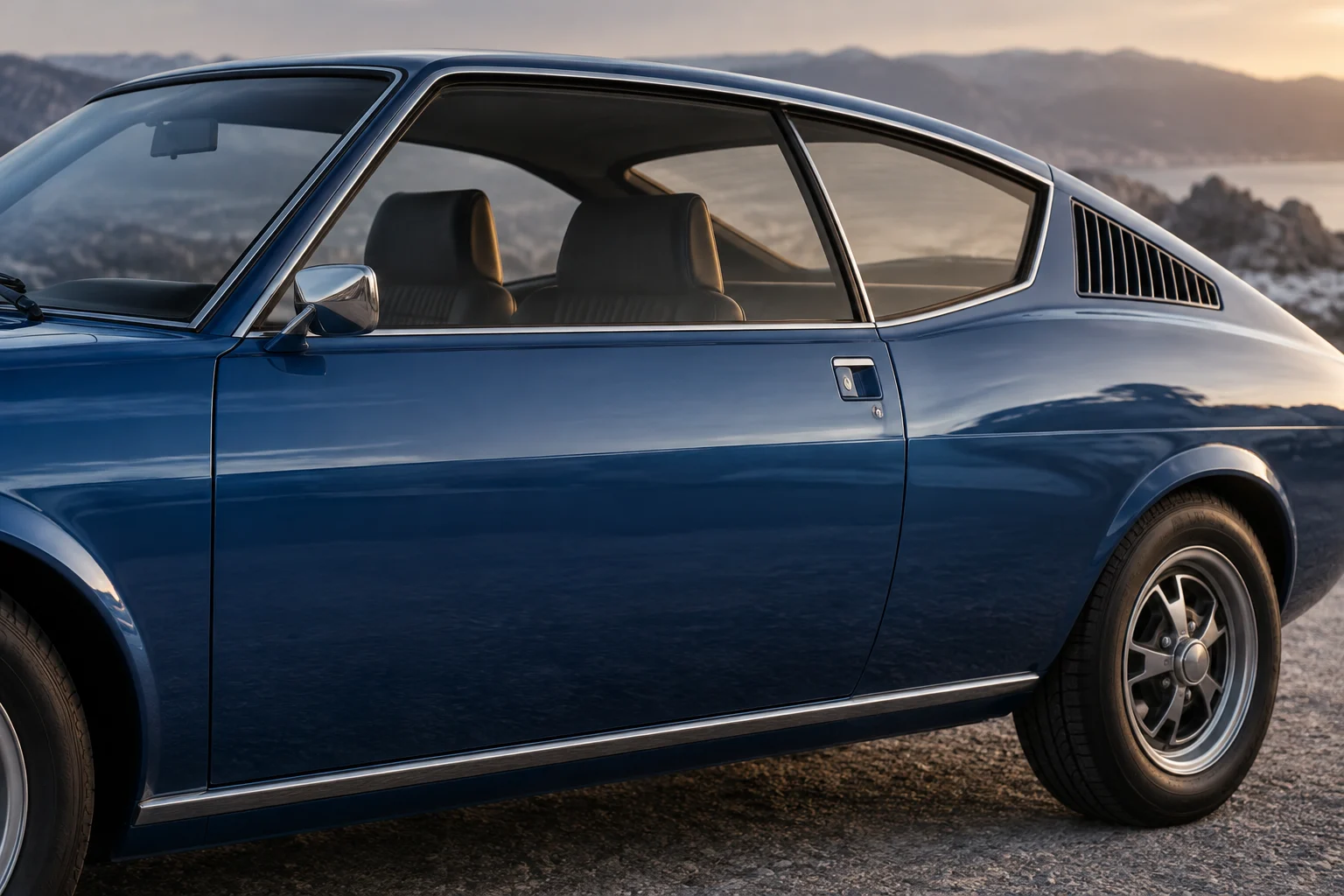
The Renault 17 was unveiled at the Paris Motor Show in October 1971, alongside its larger sibling, the Renault 15. Unlike the 15, which focused on practicality, the 17 was conceived as a sports coupe with clean, elegant lines. Its design, created by the Chausson coachbuilder, features a low, aerodynamic silhouette for its time, with frameless doors and a complete absence of a central B-pillar, giving it the aesthetic of a grand coupe.
Production took place at the Société des Usines Chausson plant in Maubeuge, France. Between 1971 and 1979, more than 92,000 units were manufactured. The model was available in two main configurations: as a four-seat coupe and as a convertible (known as 'découvrable' in French nomenclature).
A curious detail in its history is that in Italy, the vehicle was marketed as the R177, a marketing decision to avoid the superstition associated with the number 17 (heptadecaphobia) in that market.
Section references: Renault R15 and R17 - Wikipedia ↗ · R17 electric restomod x Ora Ïto: the iconic Renault 17 becomes a stylish restomod by Ora Ïto ↗
Mechanics and Variants: TL, TS, and Gordini
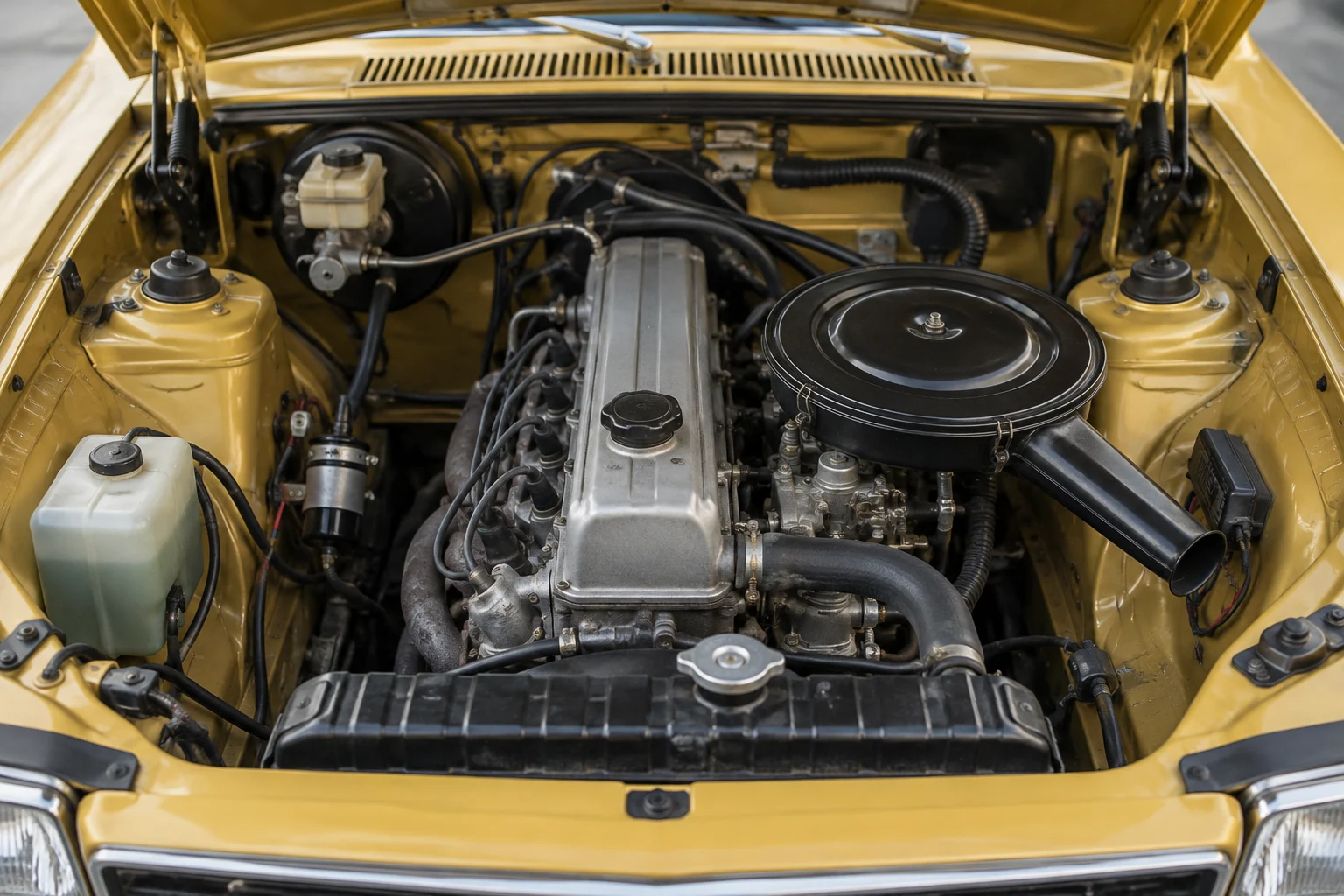
The Renault 17 shared its platform with the Renault 15, but its mechanical configuration was unique in its segment: a front-wheel-drive gasoline engine mounted longitudinally. This layout allowed for a more balanced weight distribution and a sportier driving feel than its contemporary rivals.
The TL version, the most common, was equipped with a 1.565 cc engine producing 90 hp (66 kW) at 5,800 rpm. In 1975, the range underwent a significant change: the TS version was renamed Gordini, elevating the level of equipment and performance. Renault's internal nomenclature identified these variants with codes such as R1312 (TL coupe), R1322 (TL découvrable), R1317 (Gordini coupe), and R1327 (Gordini découvrable).
The Renault 17 Gordini was not only a more powerful production version but also achieved success in competition. A notable example is its victory in the 'Press-on-Regardless' rally in Michigan (USA) in 1974, driven by Jean-Luc Thérier and Christian Delferier.
| Version | Internal Code | Body Style |
|---|---|---|
| TL | R1312 | Coupe |
| TL | R1322 | Découvrable (Convertible) |
| Gordini | R1317 | Coupe |
| Gordini | R1327 | Découvrable (Convertible) |
Section references: Renault R15 and R17 - Wikipedia ↗ · Renault 15-17 : Histoire (1975) ↗
- TL Engine: 1.565 cc, 90 hp (66 kW).
- Front-wheel drive with longitudinal engine.
- 1975 Variants: TL (R1312/R1322) and Gordini (R1317/R1327).
Practical Guide for Owners and Preservation
For enthusiasts who own or wish to acquire a Renault 17 TL, the availability of technical documentation is an advantage. Original workshop manuals, such as the M.R.156 (1971 edition), and specific spare parts catalogs, like the P.R.961 (11/1974 edition), detail the specifications of the TL version.
Preserving this model requires attention to its body structure, especially in convertible versions where the roof seal and door frames can suffer from corrosion. As a front-wheel-drive vehicle with a longitudinal engine, access to the engine is relatively simple, facilitating routine maintenance.
The owner community is active, with clubs like the 'Vriendenclub Renault 15/17 Nederland' offering resources, links, and support for restoration. It is important to verify the authenticity of parts and respect the original configuration of the model, as the value of a Renault 17 TL lies in its condition of preservation and historical fidelity.
Section references: Free manuals & brochures – Peugeot Other Renault ↗
- Consult the M.R.156 workshop manual for maintenance specifications.
- Review the P.R.961 spare parts catalog to identify original parts.
- Join specialized clubs to access support networks and spare parts.
What is the main difference between the Renault 15 and the Renault 17?
The Renault 15 was a practical five-door family car, while the Renault 17 was a four-seat sports coupe (or convertible) with a lower design, frameless doors, and a greater focus on driving pleasure.
Why was the Renault 17 called R177 in Italy?
In Italy, the number 17 is considered unlucky (heptadecaphobia). Therefore, Renault decided to market the model as the R177 in that specific market to avoid this superstition.
What engine did the Renault 17 TL have?
The Renault 17 TL was equipped with a 1.565 cc gasoline engine producing 90 hp (66 kW) at 5,800 rpm, with front-wheel drive and a longitudinally mounted engine.