Where to Sleep in a Camper in Spain: Areas, Campsites, and Rules
Camper service areas, campsites, and parking spots do not offer the same things. Learn what to check regarding services, access, availability, and rules before choosing where to spend the night.
Key points
To sleep in a camper in Spain, choose between a service area, a campsite, or a parking spot based on the services and type of stay you need. Before arriving, confirm opening hours, access, conditions, and local rules, as maps do not guarantee availability.
Choose the stop based on your needs
For a functional stop, look for a camper service area; if you want a stay in a managed pitch with more services, consider a campsite. A parking spot may be suitable for sleeping inside the vehicle if permitted and parking conditions are met, but it does not equate to a place designated for camping.
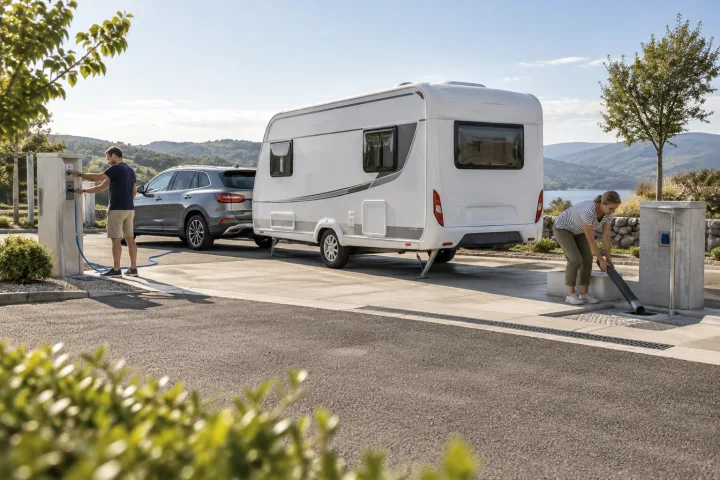
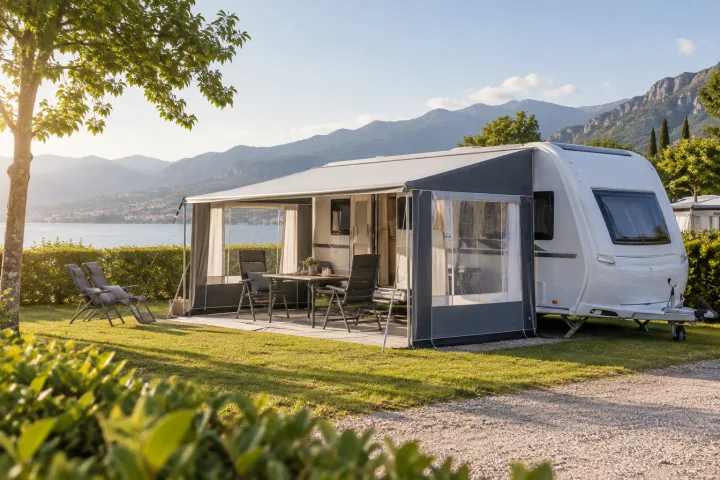
Service areas are usually designed for campers and motorhomes, with services such as emptying grey water and the toilet cassette, and refilling potable water. Some offer electricity. Campsites, on the other hand, are usually organized into pitches and may have additional services; check what each establishment includes, as the offer varies.
| Type of place | May fit if you… | What to verify |
|---|---|---|
| Camper service area | You need a stop designed for these vehicles and services for emptying or water. | Available services, hours, cost if any, and whether it accepts your vehicle. |
| Campsite | You want a managed pitch and services for a more complete stay. | Opening hours, reservation requirements, included services, and access conditions. |
| Parking spot | You only need to park and spend the night inside, without occupying the exterior. | Signs, ordinances, and parking and overnight stay conditions. |
Section references: Guía legal para dormir en camper en España ↗ · Diferencia entre áreas, campings y acampada libre ↗ · Áreas de servicio vs. camping ↗
- Service area: practical when you need specific services for the vehicle.
- Campsite: an option to consider if you are looking for a pitch and a stay with managed services.
- Parking spot: check signage and regulations; do not assume it allows deploying exterior elements.

Confirm opening, access, and services before leaving
Use maps and listings to locate options, not as a guarantee that they are open or that conditions remain the same. Confirm the information with the official website, the town hall, or the manager of the place. If you need to reserve, require electricity, or need a specific emptying point, ask explicitly if it is available during your travel dates.
Also check that the entrance and pitch are suitable for your vehicle's dimensions. Consult height or length limits, type of access, and any stay conditions that may affect your route. Sign S-128 identifies points for emptying wastewater for caravans and motorhomes, but its presence does not confirm by itself that there are other services or that the point is operational.
Section references: Guía legal para dormir en camper en España ↗
- Confirm opening dates and hours and whether a reservation is required.
- Ask which services are working and which are included.
- Verify dimensions, access, and possible restrictions for your vehicle.
- Have a reasonable second option located in the area.

Parking and camping are not the same
In Spain, sleeping inside a camper does not constitute an offense in itself if the vehicle is correctly parked and the stay does not extend to the exterior. The DGT considers it relevant that the designated space is occupied, the road is not invaded, and signage is respected. Local regulations may establish limitations within municipal competencies, so it is advisable to review the municipality's rules and the local signs.
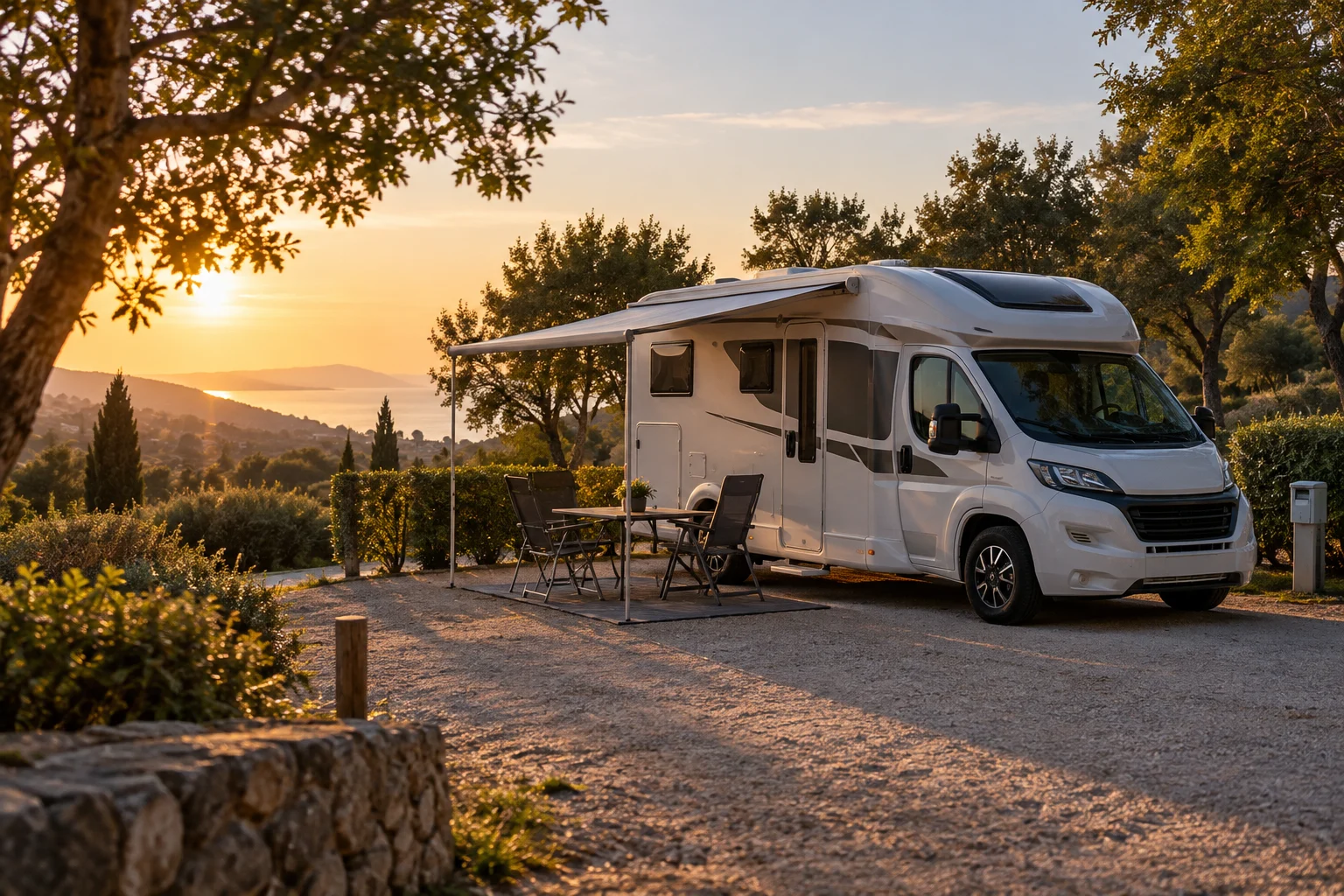
The practical difference may depend on what is done around the vehicle, not just where it is parked. Deploying a awning, taking out tables or chairs, or discharging wastewater may be considered camping and be subject to regional, municipal, or environmental regulations. On beaches and in natural parks, there may be specific restrictions related to Coast Law, ordinances, and environmental protection.
Section references: Guía legal para dormir en camper en España ↗ · Diferencia entre áreas, campings y acampada libre ↗ · Guía para dormir en camper ↗
- Keep the vehicle within the permitted space and respect signage.
- Do not assume the use of exterior elements is permitted just because you can park.
- Do not discharge wastewater outside designated points.
- Consult local rules, especially in natural spaces and coastal zones.
Prepare an alternative for the night
If the planned stop is closed, full, or does not accept your vehicle, a backup option reduces the need to improvise at the end of the day. Save an alternative in another service area or campsite and also check its conditions before starting the trip. To organize the route with more margin, you can consult this guide on planning a camper or motorhome route.
Section references:
Can you sleep inside a parked camper in Spain?
Sleeping inside is not an offense in itself if the vehicle is correctly parked, respects signage, and no activities extend to the exterior. Local rules may establish limitations.
What is the difference between a camper service area and a campsite?
A service area is designed as a stop for campers and motorhomes and usually offers services like water and wastewater emptying. A campsite has managed pitches and may offer other services; it is advisable to confirm the specific offer.
Can I take out tables or deploy the awning in a parking spot?
Do not assume so. These elements may cause the stay to be considered camping, subject to regional or municipal regulations. Check the local rules and use a space designated for camping.