Buying a Used Work Van: What to Check
The load area, doors and cab offer clues about how a van has been used, but check them against inspection records, invoices and mileage before deciding.
Key points
When buying a used work van, compare wear in the load area and cab with invoices, inspection records and recorded mileage. A discrepancy alone does not prove a problem, but it is a reason to ask questions and, if it remains unresolved, arrange an independent inspection.
Start with the work it needs to do
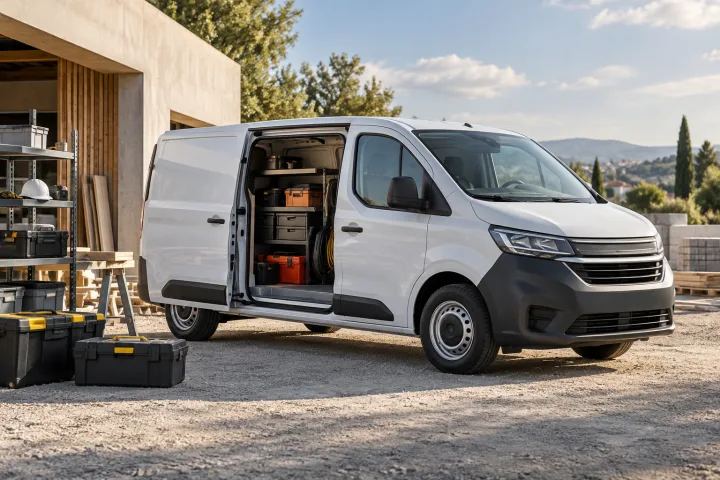
Before assessing wear, check whether the van suits your business: what you need to carry, how you will load it, and whether it needs shelving, partitions or other modifications. A high-mileage van may have been used for light-duty work; another with fewer miles may show damage from intensive loading. Consider its condition in the context of both its previous use and how you plan to use it.
Check the dimensions and capacities of the specific van, and ask whether its existing modifications are documented. Compare options in commercial vehicles and find more advice on used vehicles.

Load area, doors and tie-down points
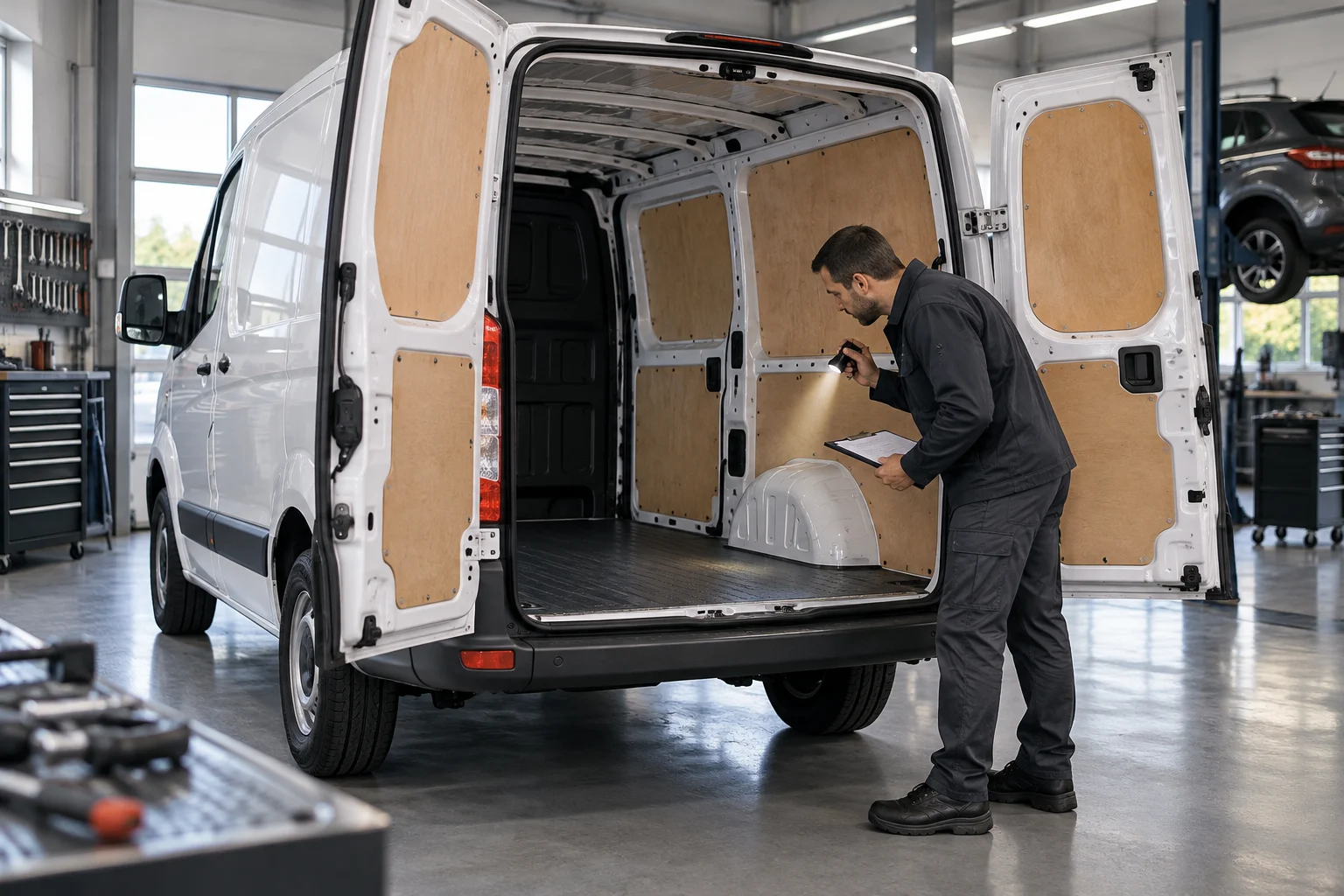
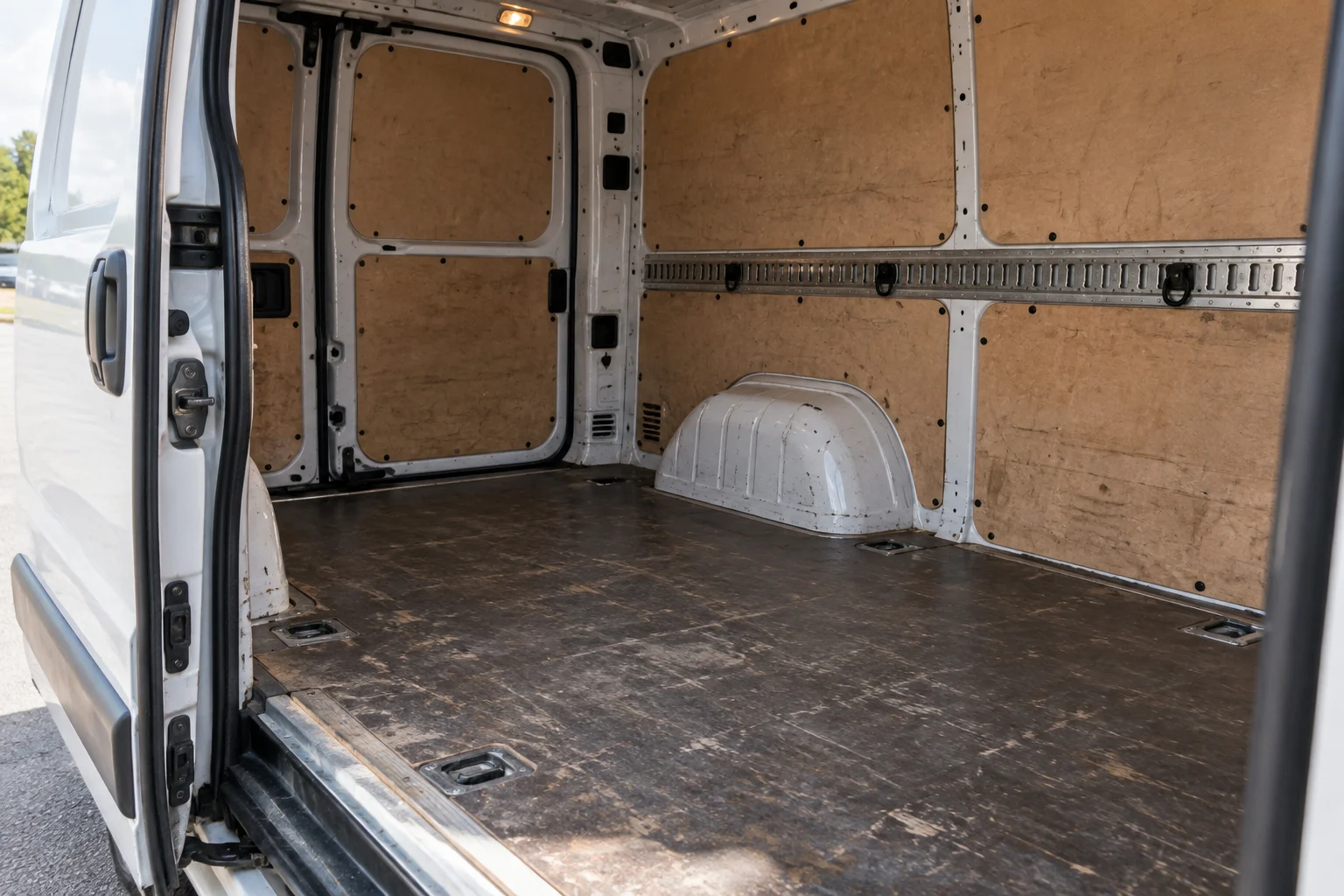
The load area is particularly exposed to everyday work. Check the floor and walls for dents, deformation, corrosion, visible repairs or coverings that could conceal the condition of the metalwork. Inspect the tie-down points too: damage or worn fittings matter if you plan to secure cargo.
Open and close the rear and side doors. Check that they move normally, and look for knocks along the edges and obvious wear on the locks and guides. A scratch or replaced panel does not, by itself, prove careless use. Ask when the damage occurred and request invoices or repair records if they are relevant to your decision.
Section references: Qué mirar antes de comprar una furgoneta de segunda mano ↗
Cab clues need context
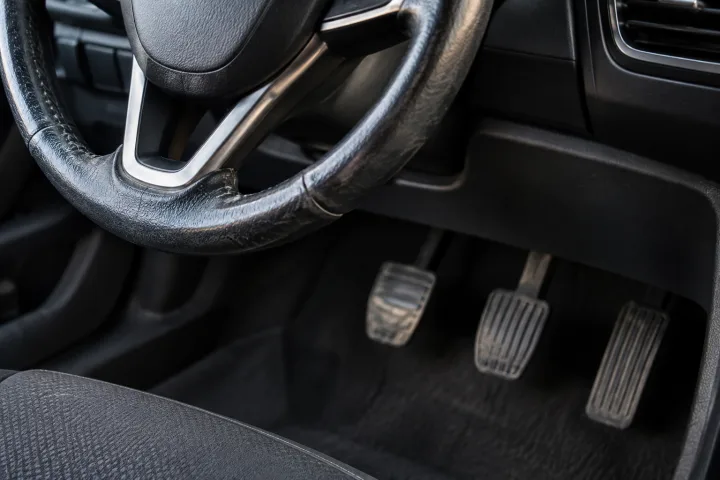
In a work van, the steering wheel, driver’s seat, pedals and controls can show substantial wear. Compare their condition with the advertised mileage, but do not infer tampering from one part alone: the type of journeys, maintenance or replacement components can also affect wear.
If the wear seems hard to reconcile with the mileage, ask about the van’s previous use and request records that may clarify the situation. Check the tyres too: uneven wear can be associated with suspension, alignment or steering problems and is worth having inspected before you buy.
Section references: Qué mirar antes de comprar una furgoneta de segunda mano ↗ · Cómo comprar una furgoneta barata de segunda mano ↗
Cross-check inspection records, mileage and invoices
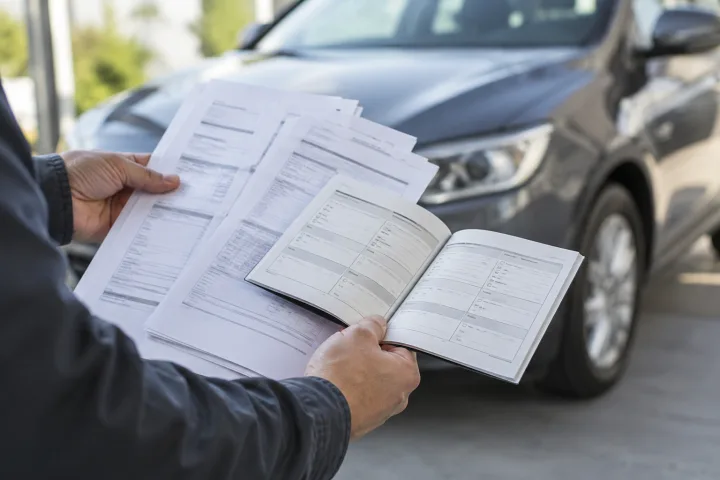
Put the documents in date order and compare the mileage recorded at inspections and on invoices with the advertised figure. In Spain, a DGT report includes the mileage recorded at the most recent ITV roadworthiness test, which can help you check whether the figures appear consistent. Vans over ten years old have an annual ITV test; review the available reports and any recorded issues.
Invoices can show what maintenance or repairs were carried out and when. Look for continuity in dates and mileage, and ask about gaps in the paperwork or significant work the seller mentions without supporting records. A discrepancy needs an explanation; if documents or an inspection cannot resolve it, do not treat it as settled.
Section references: Qué mirar antes de comprar una furgoneta de segunda mano ↗
- Request the DGT report and compare the mileage from the latest ITV with the odometer and the available documents.
- Ask for invoices or maintenance and repair records, especially those relating to load-area damage or replaced parts.
- Note any jumps, conflicting figures or gaps in the records, and ask for a specific explanation.
Clarify modifications and repairs
An interior conversion, body repair or difference in colour between panels may have a legitimate explanation. Ask the seller what was done, when and what records are available. If a modification affects how you plan to use or load the van, check that the setup suits your needs and consult the vehicle documents.
Do not treat a visible repair as a diagnosis. The important thing is to understand its scope and check for outstanding damage or defects that could affect the purchase. If the seller’s answer is vague or relevant records are unavailable, postpone your decision until you have clarified the details.
Section references: Cómo comprar una furgoneta barata de segunda mano ↗
When to arrange an independent inspection
Arrange an independent professional inspection if the wear and mileage do not match, repairs are undocumented, the tyres show uneven wear or there are defects you cannot assess. It is also a sensible option when the van will be essential to your business and you want to reduce uncertainty before taking on the cost.
Ask the inspector to focus on the points you are concerned about as well as the vehicle’s overall condition. If the seller will not help clarify a significant discrepancy, you do not have to decide on the spot: compare another van or wait until you have the necessary records.
Final questions before you decide
Before committing, compare what you see with what is documented. Assess the whole picture, not just one sign: a heavily worn interior with consistent invoices may have a reasonable explanation, while several unresolved discrepancies increase uncertainty about the van’s history.
- What kind of work and journeys was the van used for?
- Are there invoices or records to explain visible damage, repairs and modifications?
- Do the advertised mileage, odometer, ITV report and maintenance records agree?
- Are the load area, doors and tie-down points you plan to use in good condition?
- Is there uneven tyre wear or anything else that should be checked before buying?
- Are there outstanding questions that justify an independent inspection before you commit?
Does wear in the cab prove that the mileage has been tampered with?
No, not by itself. Wear on the steering wheel, seat or pedals is a clue to compare with ITV mileage records, invoices and the van’s overall condition.
What documents should I ask the seller for?
Ask for the DGT report, available ITV records and maintenance or repair invoices and records. If the van has modifications or repaired damage, request the relevant documentation too.
When should I postpone the purchase?
If significant differences between the mileage, documents and visible condition remain unexplained, or if a relevant modification or repair lacks sufficient information. You can arrange an independent inspection before deciding.