British Classic Maintenance and Buying Guide: Morgan, MG, and Triumph
Learn how to inspect the body, identify frequent wear parts, and choose the right workshop to keep a Morgan, MG, or Triumph in good working condition.
Key points
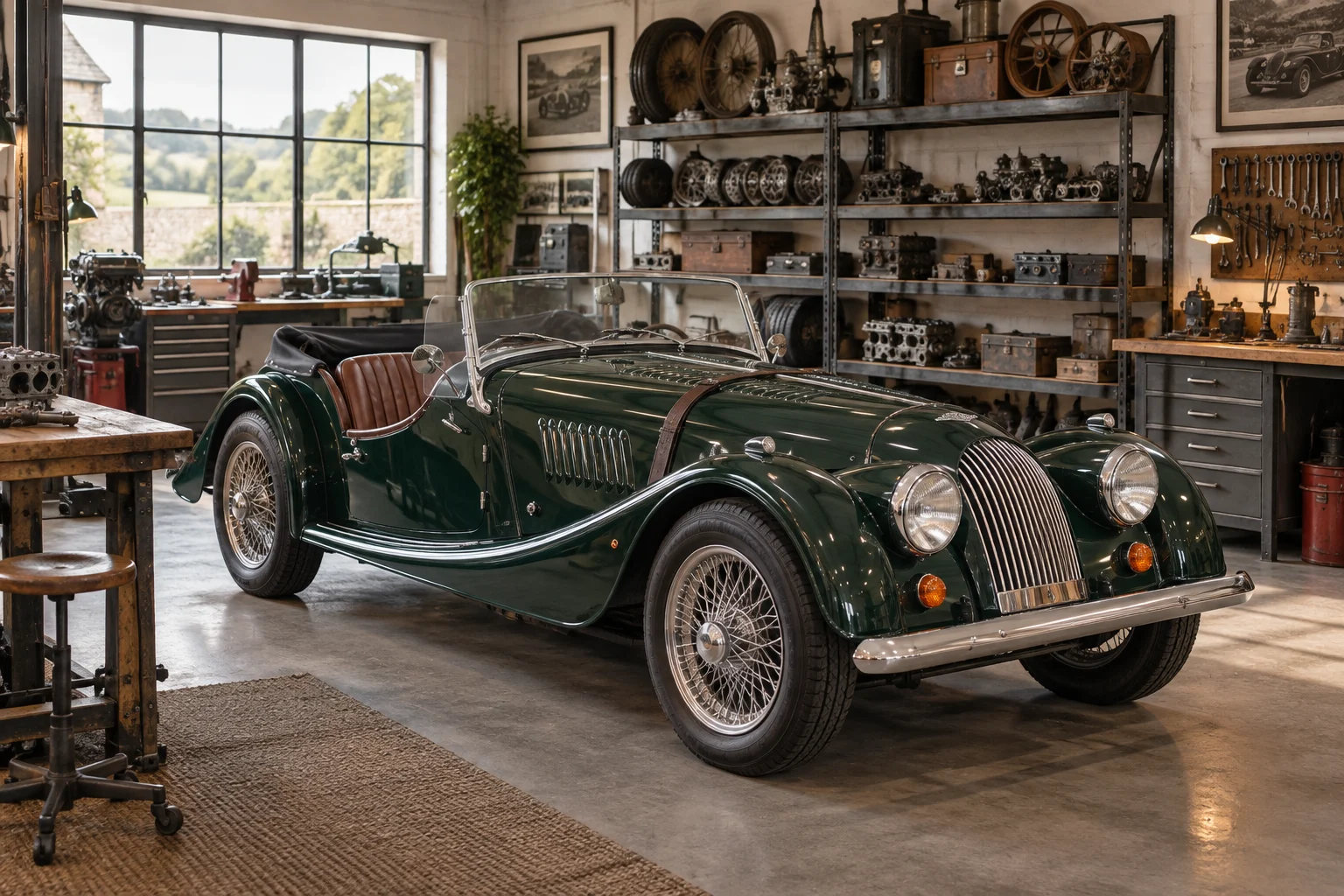
This guide details critical inspection points for Morgan, MG, and Triumph vehicles, identifying common wear components and providing technical criteria for selecting a specialized workshop to maintain these classic British cars.
Body Inspection: The Deciding Factor
When evaluating a Morgan, MG, or Triumph, body inspection is a fundamental step to determine the vehicle's condition. Corrosion can affect the structure, so it is necessary to review critical areas before making any offer.
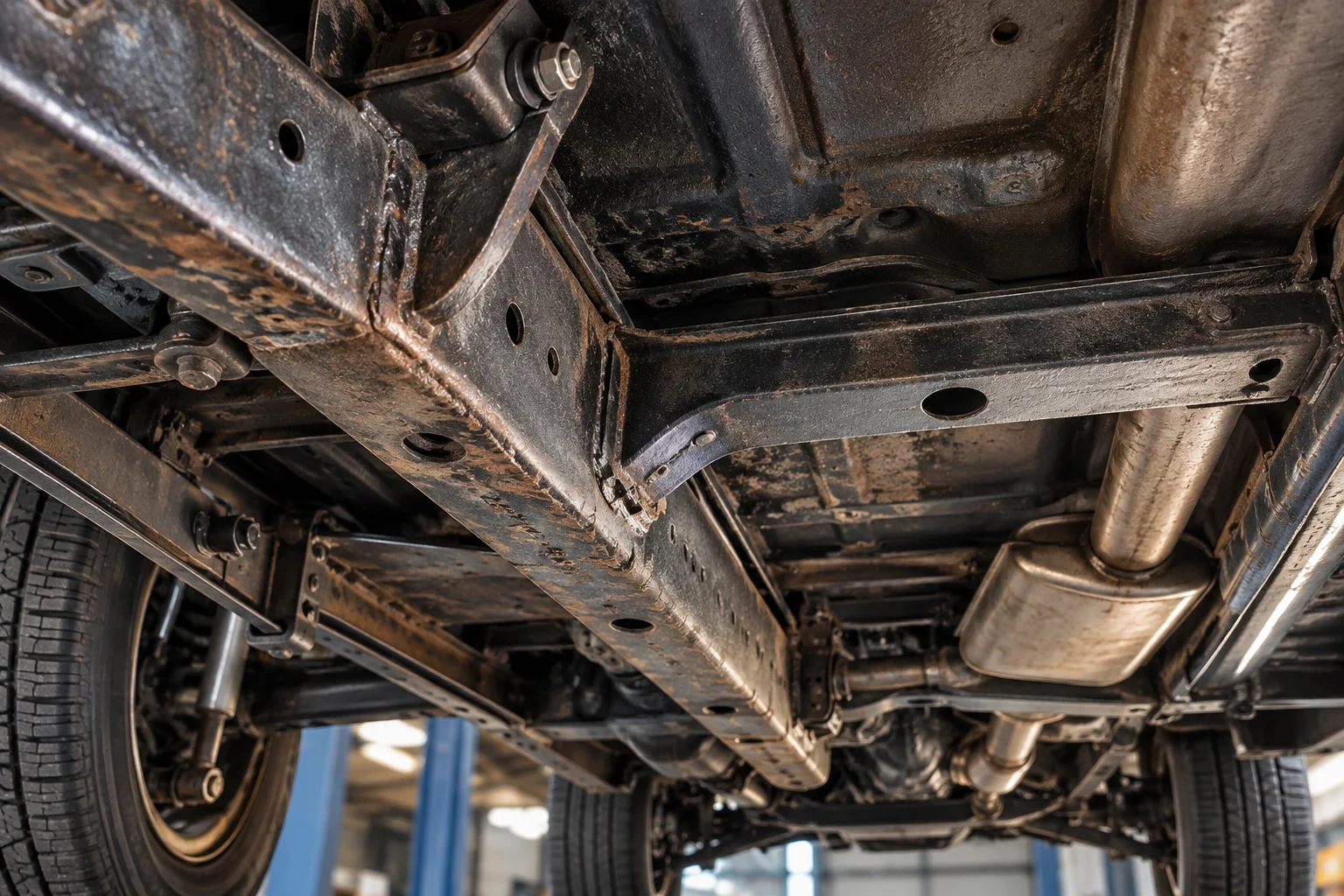
During the physical inspection, it is essential to check the underside of the car, paying special attention to the chassis rails, crossmembers, and jack points. You should look for bulges, plates welded over the original sheet metal, or holes filled with filler. The presence of abnormal thicknesses in the anti-gravel coating is also a warning sign.
A practical technique to detect internal corrosion is to gently tap the sheet metal with your hand or a plastic tool. A hollow sound instead of the usual solid tone suggests that the metal has been consumed from the inside. This review is critical before making any offer, as structural repairs on classics are costly and complex.
Section references: Cómo detectar óxido oculto en un coche clásico antes de comprarlo ↗
- Check chassis rails and crossmembers for bulges.
- Identify welded plates or excessive filler in wheel arch areas.
- Use gentle percussion to detect internal hollows caused by corrosion.
Wear Components and Common Spare Parts
Unlike modern vehicles, British classics rely on mechanical components that require regular attention. Natural wear affects specific parts that, if not replaced in time, can lead to major breakdowns.
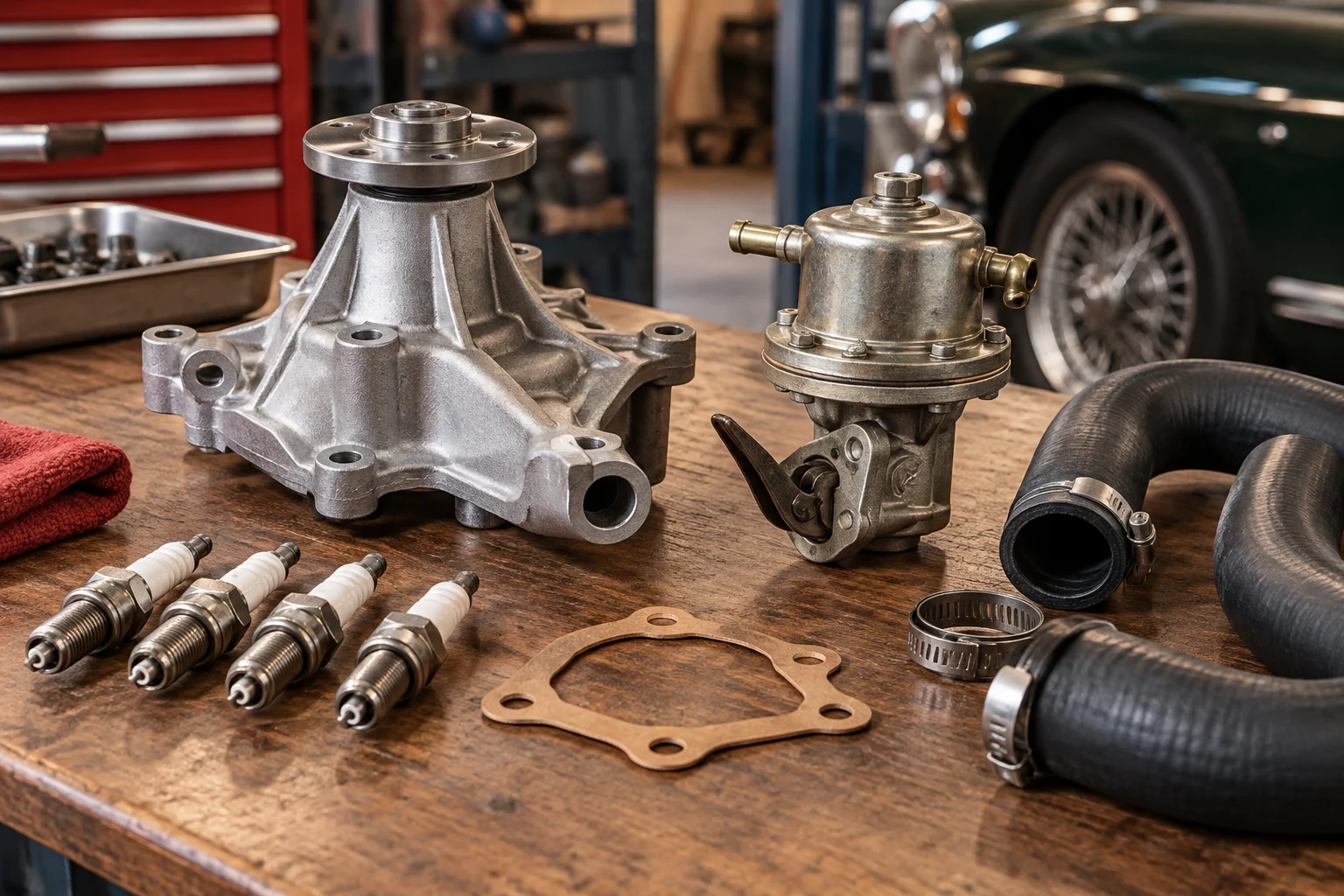
The most frequent wear items include spark plugs, water pumps, fuel pumps, belts, filters, thermostats, and cooling hoses. In the case of Morgans, such as the 4/4 model manufactured since 1936 or the Plus 8 with a Rover V8 engine (1968-2004), the availability of these parts is a key factor in the buying decision.
Specialized suppliers offer verified spare parts for these brands. For example, catalogs like CM Stores gather over 9,000 references for British brands like MG, Triumph, and Morgan, facilitating the location of authentic parts. Verifying spare parts availability before purchase reduces the risk of losing technical support in the future.
| Component | Main Function |
|---|---|
| Water pump | Coolant circulation |
| Fuel pump | Carburetor feeding |
| Thermostat | Temperature regulation |
| Cooling hoses | Circuit connection |
Section references: Tienda de recambios de coches clásicos ↗ · Morgan Oldtimer spare parts ↗ · Piezas y accesorios para coches premium y clásicos ↗
- Spark plugs and mechanical ignition systems.
- Water and fuel pumps.
- Belts, filters, and thermostats.
- Cooling hoses.
How to Choose a Specialized Classic Car Workshop
Maintaining a British classic requires specific knowledge that is not always present in generalist workshops. Choosing the right professional is as important as selecting the vehicle.
An engine with a carburetor, mechanical ignition, or old wiring needs different diagnostic and repair procedures than a modern vehicle. When evaluating a workshop, it is crucial to ask if the specialist has previously worked with comparable technology, not just the specific brand.
The workshop's ability to locate authentic spare parts and its experience with vintage systems are indicators of its competence. A good classic car specialist workshop not only repairs but also understands the conservation philosophy of these vehicles, prioritizing authenticity and original functionality.
Section references: Cómo elegir taller para coches clásicos y antiguos ↗
- Verify experience with carburetors and mechanical ignition.
- Evaluate the ability to locate authentic spare parts.
- Confirm knowledge of old wiring and vintage systems.
Maintenance History and Official Resources
For vehicles registered in Spain, the Directorate General for Traffic (DGT) offers the electronic maintenance book. This system allows affiliated workshops to communicate repairs and maintenance performed, facilitating for buyers the consultation of the vehicle's history.
Although this resource is more common in more recent production vehicles, its use in legally circulating classics can provide valuable traceability of the interventions performed. Complementing this information with the physical inspection and verification of available spare parts offers a complete view of the vehicle's condition.
Section references: Libro electrónico de mantenimiento - DGT ↗
- Consult the electronic maintenance book on the DGT website.
- Verify the workshop's affiliation with the official system.
- Cross-reference the digital history with the physical inspection.
What is the most important thing to check when buying a Morgan, MG, or Triumph?
Body inspection is fundamental. You must check the underside, wheel arches, and support points for bulges, welds, or hollow sounds indicating internal corrosion.
What are the most common wear parts in these classics?
The most frequent wear components include spark plugs, water pumps, fuel pumps, belts, filters, thermostats, and cooling hoses.
How do I know if a workshop is suitable for my British classic?
Verify that the workshop has experience with vintage systems like carburetors and mechanical ignition, and that it has the ability to locate authentic spare parts specific to the brand and model.
Can I consult the maintenance history of a classic in Spain?
Yes, the DGT offers an electronic maintenance book where affiliated workshops communicate repairs performed, allowing buyers to consult the vehicle's history.