Electric Boat Range: How to Calculate It
Learn how to estimate an electric boat’s range from its usable battery energy and consumption, and plan a route without relying on the maximum range advertised.
Key points
A real electric boat’s range depends on its battery, hull, speed and load. Estimate it by dividing usable energy by average power consumption, then plan your route with a reserve for wind, currents and charging options.
Theoretical range versus real-world range
An advertised range is a reference, not a guarantee for every trip. Actual range depends on usable battery energy and consumption while underway. Consumption varies with the hull, speed and load, so two trips of the same distance can require different amounts of energy.
Route conditions matter too. Wind and currents can increase the energy needed to maintain your planned progress. Base your estimate on the boat’s consumption in conditions similar to those you expect, rather than relying only on a manufacturer’s maximum range figure.
Section references: Electric boat battery sizing guide: calculate kWh, runtime, speed and range ↗ · La guía de compra de barcos eléctricos para 2026 ↗

How to estimate consumption and distance
The basic calculation is straightforward: estimated operating time (hours) = usable battery energy (kWh) ÷ average power consumption (kW). To estimate distance, multiply that time by your expected average speed. This gives an estimate, not an exact prediction: consumption can rise as speed or power demand increases.
If you know the available energy and the hourly consumption measured on a representative trip, you can estimate how long that energy will last. To estimate distance, use a realistic average speed for the route, not necessarily the boat’s maximum speed. Where available, compare your estimate with the boat’s battery and consumption displays.
Use the energy you can actually draw on during the trip; do not mistake nominal battery capacity for usable energy. Manufacturers may express capacity and consumption differently, so check the units and make sure you are comparing kWh with kW.
Section references: Electric boat battery sizing guide: calculate kWh, runtime, speed and range ↗ · Autonomía de un motor fueraborda eléctrico: las cifras reales ... ↗
- Estimated time (h) = usable energy (kWh) ÷ average consumption (kW).
- Estimated distance (km) = estimated time (h) × average speed (km/h).
- Repeat the calculation using the expected consumption for your planned load and boating conditions.
Battery reserve and route planning
Do not plan a trip that leaves you arriving with the battery nearly depleted. Keep a reserve for detours, less favourable conditions or changes in consumption. There is no single reserve percentage that works for every boat and route: set your margin according to the boat’s consumption, the distance to a safe location and the available charging options.
Check the outward and return legs, possible charging points and how long recharging will take before your next trip. Wind, currents, speed and load can all cause consumption to differ from your initial estimate. If you lack reliable data from a comparable route, plan for a shorter range and do not base your trip on the advertised maximum.
Section references: La guía de compra de barcos eléctricos para 2026 ↗
- Estimate consumption for the load and speed you expect to maintain.
- Consider how wind and currents may affect each part of the route.
- Check whether charging is accessible and how much time it will take.
- Keep a margin for route changes and avoid relying on a fully depleted battery.
What to check in the specifications
Before comparing boats, find out under what conditions the published range was measured and whether it refers to operating time or distance. Check the battery capacity, consumption, speed and load used for that estimate. Figures from two models are not directly comparable unless the test conditions are similar.
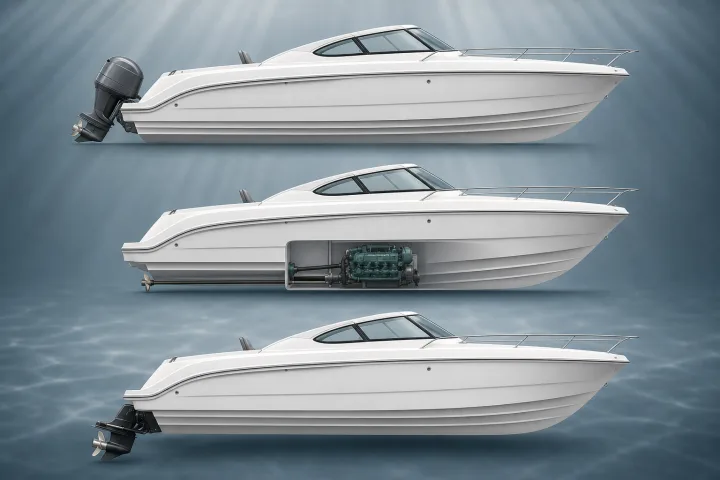
The most useful range is not necessarily the highest figure on paper. It is the range that covers your usual route with a reasonable reserve and charging options that suit your needs. For more on boat types and their differences, see this guide to outboard, inboard and sterndrive engines.
Section references: Electric boat battery sizing guide: calculate kWh, runtime, speed and range ↗ · La guía de compra de barcos eléctricos para 2026 ↗
How do you calculate an electric boat’s range?
Divide the battery’s usable energy in kWh by average consumption in kW to estimate operating time in hours. Multiply that time by your expected average speed to estimate distance.
Why might real-world range be lower than the advertised figure?
Battery capacity, hull, speed and load all affect range. Wind, currents and the specific conditions of a trip can also change consumption.
Should you run the battery down to 0%?
It is not prudent to plan a route that leaves the battery depleted. Keep energy in reserve for detours or changes in consumption, and plan around the conditions and charging options available.