Child Car Seat Compatibility: How to Check Your Car
Find out how to check whether a child car seat is compatible with your vehicle, using the car and seat manuals and the manufacturer’s compatibility list for semi-universal seats.
Key points
To check whether a child car seat is compatible with your car, consult both the vehicle manual and the seat manufacturer’s instructions. For semi-universal seats, also check the compatible vehicle list and make sure the seat is firmly secured.
Why checking compatibility matters
Children’s safety in a vehicle depends on using a child restraint system (CRS) that is properly suited to the car. Spain’s Directorate-General for Traffic (DGT) says children up to 135 cm tall must use a CRS suitable for their weight and height and, as a general rule, travel in the rear seats.
A common mistake is assuming that any seat fits any car. The DGT specifically warns that semi-universal child restraint systems are not compatible with every vehicle model. Check whether the seat can be used in your particular car and, once installed, make sure it is firmly secured.
Section references: Con niños ↗
- For semi-universal CRS, check whether the system is suitable for your specific car model.
- Follow the seat manufacturer’s instructions and make sure the seat is firmly secured.
- The DGT advises taking particular care with seat attachment in older vehicles.
Official guidance and reference documents
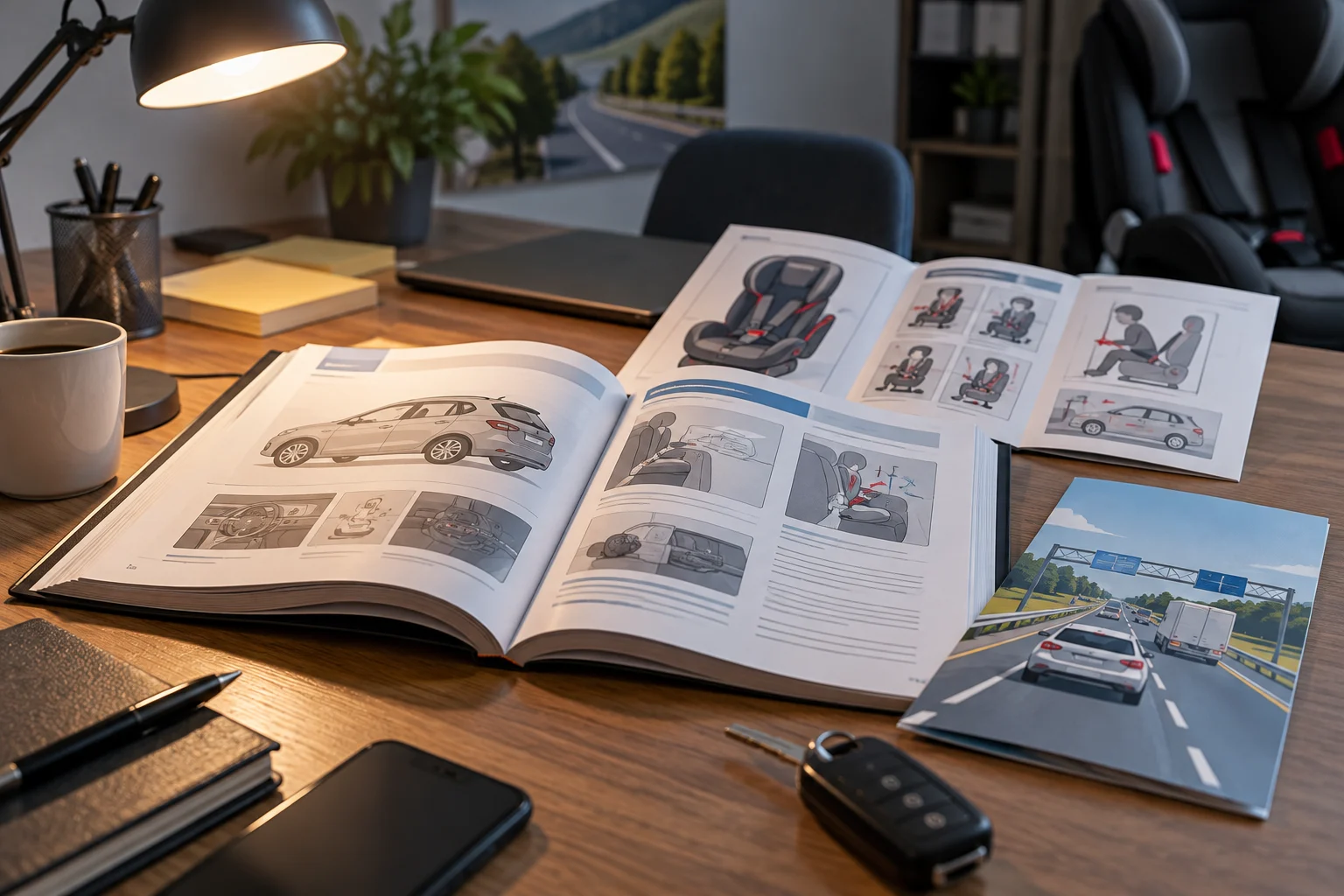
To check compatibility, consult your vehicle’s owner’s manual, the child seat manufacturer’s instructions and current DGT guidance.
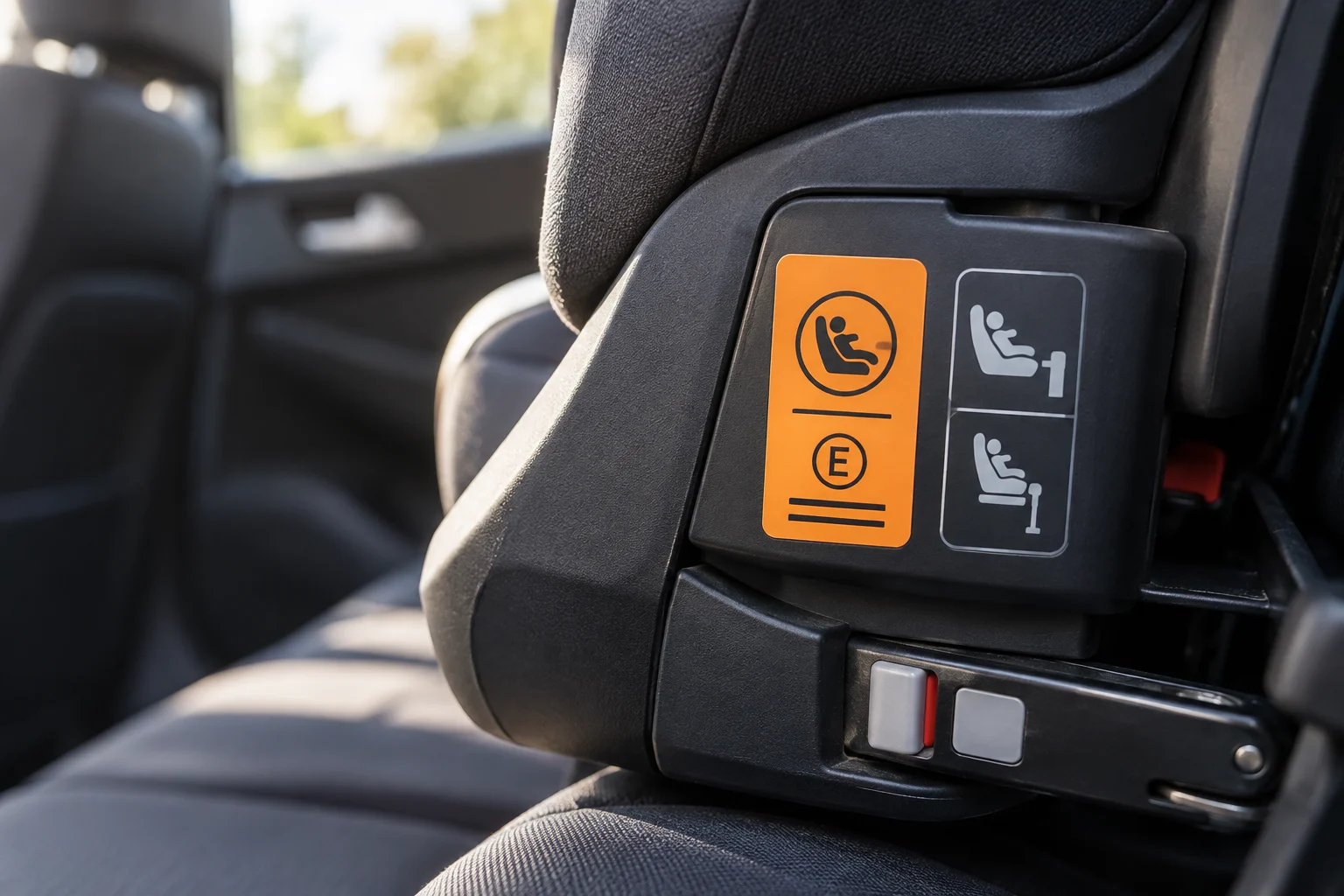
The DGT publishes guides such as the 2025 ‘Guide to Using Child Seats’, which explains the structure of the ISOFIX system and provides installation advice. The DGT’s official page on travelling with children also includes guidance on choosing and using child restraint systems. Check the latest versions of these documents.
Section references: Con niños ↗ · Guía de uso de la silla infantil ↗
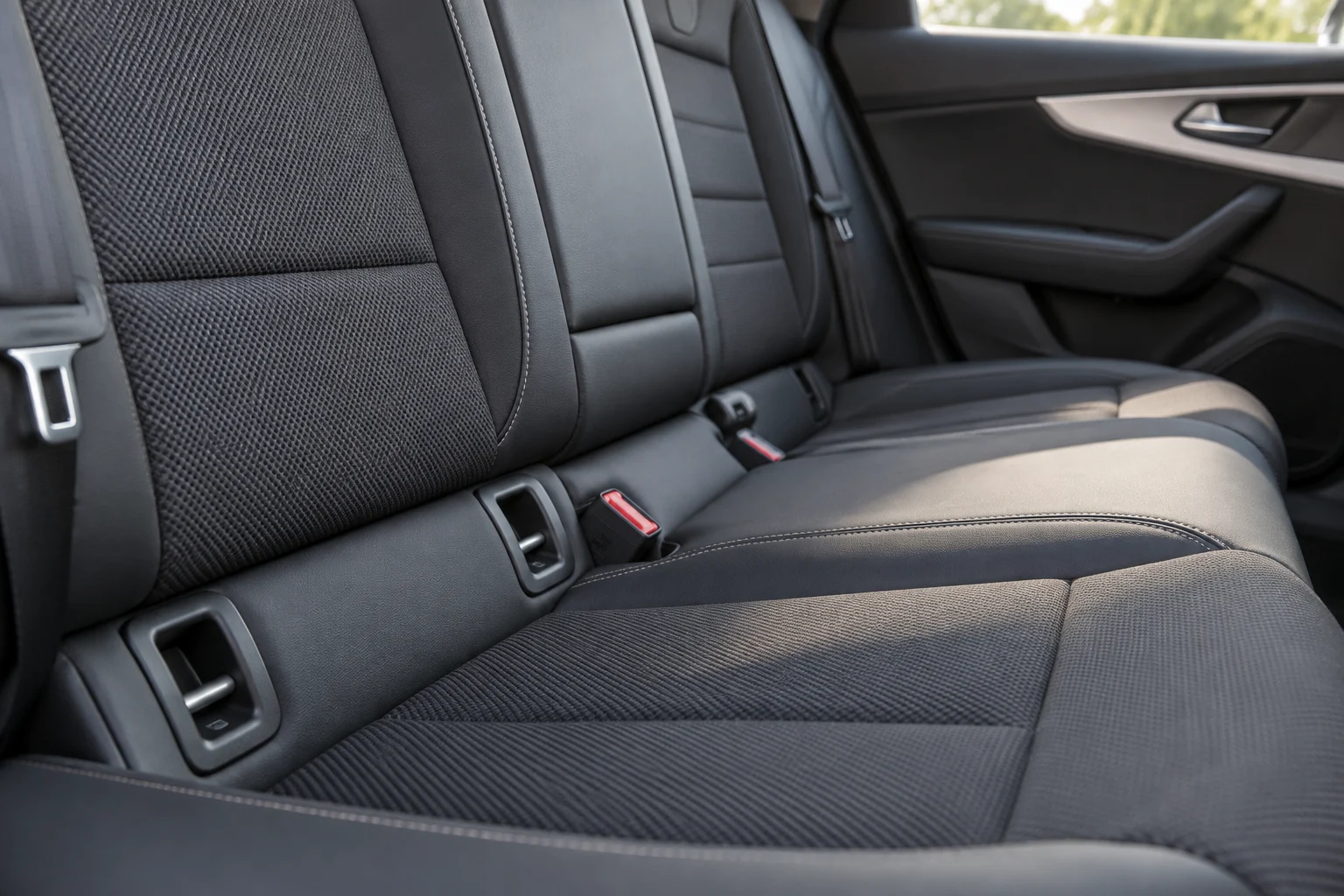
- Car manual: check whether your vehicle has ISOFIX and where the anchor points are located.
- Seat manual: follow the manufacturer’s instructions. For a semi-universal CRS, check the list of compatible car models.
- DGT guidance: consult its general framework and recommendations on child road safety.
How to check compatibility
Checking compatibility means identifying your vehicle’s details, reviewing the seat’s specifications and comparing the information.
First, find the ISOFIX information in your car’s manual. Check whether the vehicle has these anchor points and which seats have them. If the child seat requires a support leg or Top Tether, follow the manufacturer’s instructions and check the relevant manuals to confirm that the installation is possible.
Next, read the seat instructions. If it is a semi-universal CRS, consult the list of compatible car models. If your car is not listed, do not assume the seat is compatible; contact the seat manufacturer.
Finally, try the seat in your car before buying it to check that it can be secured properly and is convenient to use in the vehicle. After installation, make sure it is firmly secured.
| What to check | Where to find the information | What to do |
|---|---|---|
| ISOFIX availability | Car manual | Check whether the vehicle has the system and where its anchor points are. |
| Compatible models | Manufacturer’s list for a semi-universal CRS | Check whether your car model appears on the list. |
| Anchor type (support leg or Top Tether) | Seat instructions and car manual | Follow the manufacturer’s instructions and check that installation is possible. |
| Secure fit | Manufacturer’s instructions and checks after installation | Make sure the seat is firmly secured. |
Section references: Con niños ↗ · Sillitas infantiles: ¡Cuidado con estas cinco! ↗
- Identify your car’s make and model.
- If the seat is semi-universal, find the manufacturer’s list of compatible models.
- Check your car’s manual to see whether it has ISOFIX and where the anchor points are.
- Make sure installation belts run as straight as possible and are not twisted or folded.
- For booster seats with a backrest, check that the seat belt retracts automatically when the child leans forward.
Common mistakes and how to avoid them
One of the most common mistakes is choosing a seat based on the child’s age rather than their height and weight. The DGT says the choice should be based on the child’s physical measurements, not age.
Another mistake is ignoring the compatibility list for a semi-universal CRS. The DGT notes that these systems cannot be installed in every vehicle model; check the list and confirm that the seat can be used in your car.
Also check that installation belts run as straight as possible and are not twisted or folded. For infant carriers, make sure the belt is long enough to buckle securely.
Section references: Con niños ↗
- Choose a seat based on the child’s weight and height, not age.
- For a semi-universal CRS, check the list of compatible models.
- Follow the installation instructions and make sure the belts are not folded.
- Take particular care to check the seat attachment in older vehicles.
Final checks and next steps
After reviewing the documents and installing the seat, check that it is firmly secured and that the installation belts run as straight as possible without folds. For a booster seat with a backrest, check that the belt retracts automatically when the child leans forward; if it does not, the DGT recommends changing to a different child restraint system.
If you are unsure about compatibility or installation, contact the seat or vehicle manufacturer. The DGT recommends reading and following the manufacturer’s instructions and checking the vehicle manual to see whether it has ISOFIX.
Section references: Con niños ↗ · Guía de uso de la silla infantil ↗
- Contact the manufacturer if you have any doubts about compatibility.
- Read and follow the child seat manufacturer’s instructions.
- Check your vehicle’s manual to see whether it has ISOFIX.
How can I tell whether a child car seat is compatible with my car?
Consult the manufacturer’s instructions. For a semi-universal CRS, check the list of compatible car models and see whether your vehicle is included. Also check the car manual to see whether your vehicle has ISOFIX.
What should I check for a semi-universal seat?
The DGT says semi-universal CRS cannot be installed in every vehicle model. Check the list of compatible car models supplied with the seat and confirm that your vehicle is included.
What should I check about ISOFIX?
Check your vehicle’s manual to see whether it has ISOFIX, and follow the instructions from both the child seat and vehicle manufacturers.
What should I do if my car is not on the seat’s compatibility list?
If your car is not listed as compatible with a semi-universal CRS, contact the seat manufacturer to check whether it can be used in your vehicle.